Iodine in Seaweed: Why Nori Is an Easy Way to Get Enough
Two tablespoons of flaked nori give about 77 percent of the 150 mcg of iodine adults need each day. See how seaweed compares with other iodine-rich foods and easy ways to eat it.

Crisp, salty, and a little bit sweet, dried seaweed may be the easiest health food in the snack aisle. It is also one of the best natural sources of iodine, a mineral your body needs every day and one that plenty of people do not get from salt, dairy, or fish. Here is what iodine does, how much you need, and how a few sheets of seaweed can help.
What Iodine Does for You
According to the National Institutes of Health, your body needs iodine to make thyroid hormones. Those hormones control your metabolism and many other important functions, and they are also needed for proper bone and brain development during pregnancy and infancy. Getting enough matters for everyone, and especially for women who are pregnant.
The amount you need depends on your age:
Seaweed Is One of Iodine's Best Sources
The NIH lists seaweed, including kelp, nori, kombu, and wakame, as one of the best food sources of iodine. Just two tablespoons of flaked dried nori, about 5 grams, provide roughly three quarters of a day's iodine. Here is how it stacks up against other iodine-rich foods, based on NIH figures:
Seaweed is also the only plant food on that list, which makes it especially handy for anyone who eats little dairy or seafood.
Easy Ways to Eat More Seaweed
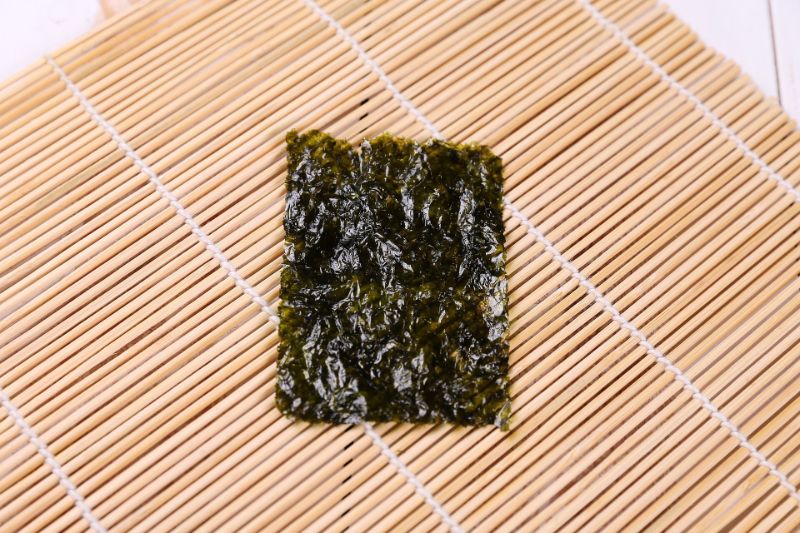
- Roasted seaweed snackscrisp, salty sheets you can eat straight from the pack
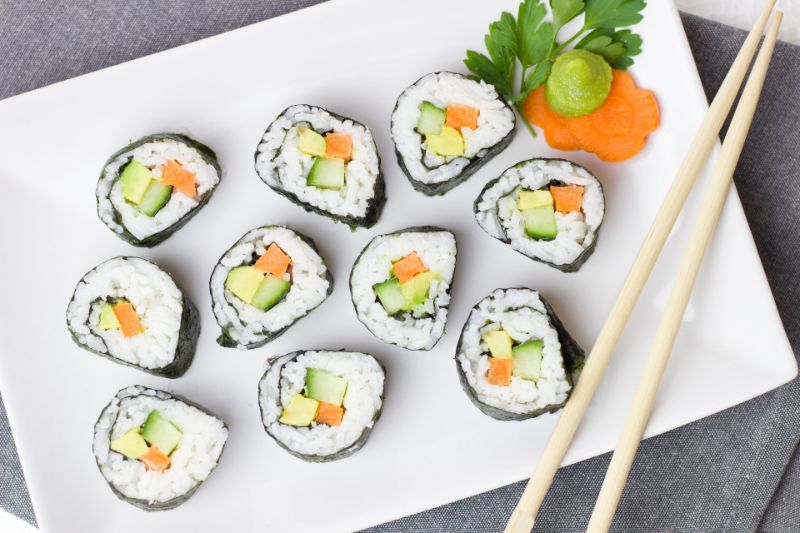
- Sushi and rice ballsnori is the wrapper that holds everything together
- Soups and ramenwakame and nori soften into silky, savory ribbons
- Salads and stir-friescrumble a sheet on top, or toss in a handful of wakame
- Rice bowls and eggsflaked nori is a quick finishing sprinkle
Mild nori is the easiest place to start. Other seaweeds vary a great deal, and the NIH reports iodine levels in commercial seaweeds ranging from 16 to 2,984 micrograms per gram. Kelp and kombu sit at the strong end of that range, so a small piece goes a long way, and a pinch is plenty. The daily upper limit for adults is 1,100 micrograms from all sources.
Who Gains the Most From a Little Seaweed
Most people in the United States get enough iodine, but some groups have a harder time. The NIH points to these:
- People who skip iodized saltsea salt, kosher salt, and Himalayan salt are usually not iodized, and processed foods almost never use iodized salt
- Women who are pregnantthey need about 50 percent more iodine than other women
- Vegans and light dairy eatersseafood, eggs, and dairy are among the best sources, so seaweed fills a real gap
- People eating mostly local food from iodine-poor soilmountain regions and some river valleys grow crops that are low in iodine
Keep a Pack of Nori Snacks in the Pantry
A few sheets of roasted seaweed give you a big share of the iodine your thyroid relies on. Grab a pack of snacks, sprinkle flaked nori on your next rice bowl, or wrap it around your lunch. For the full details on how much you need and where to find it, see the NIH iodine fact sheet. If you like adding minerals through food, the guide to magnesium-rich foods is a good next read.