6 Things to Know About Goldenseal, the Yellow-Rooted Woodland Herb With a Long History
Goldenseal is still sold in capsules, teas, and tinctures. Here is its Native American and 19th-century history, what research says, the safety concerns, and why the wild plant is scarce.
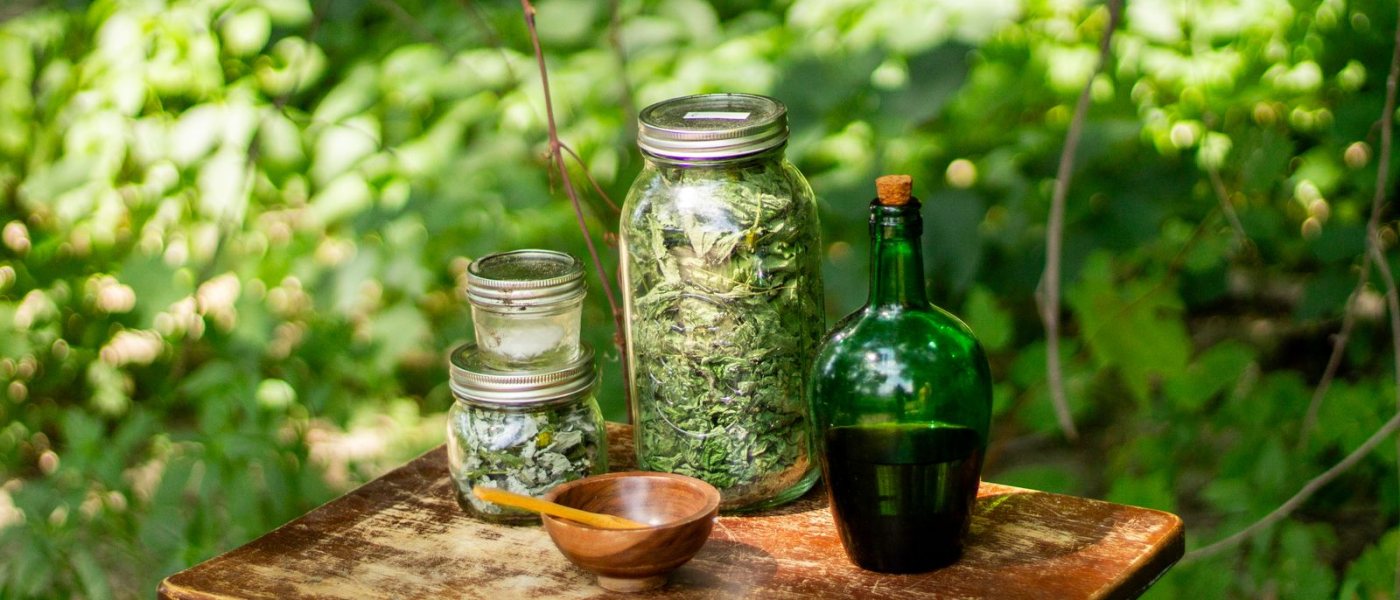
Walk through the supplement aisle of almost any health food store, and you will find goldenseal: capsules, teas, and tinctures, often with a golden-yellow label. It sounds like an old frontier remedy that should have faded away, yet it is still sold today. It also has a surprising story, with Native American roots, a 19th-century medical movement, a persistent myth, and a wild plant now struggling to survive. Here are six things to know about goldenseal.
1) What Goldenseal Is
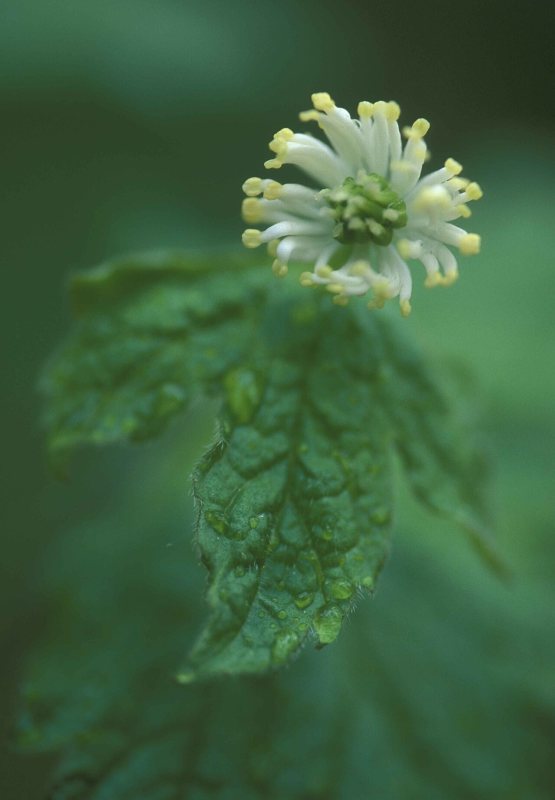
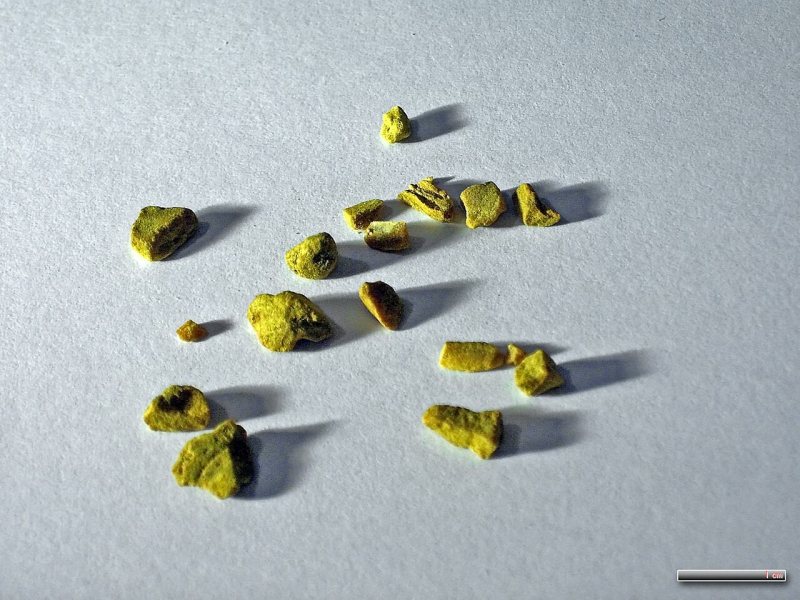
Goldenseal (Hydrastis canadensis), also called yellow root, is a woodland plant native to the northeastern United States and southeastern Canada, according to the National Center for Complementary and Integrative Health. The plant stands about a foot tall, with two large, broad leaves, greenish-white flowers in spring, and bright red, raspberry-like fruits by midsummer, as the Chicago Botanic Garden describes it. The part used is the knotty, bright yellow rhizome, an underground stem that gives the plant its nickname. It contains compounds including berberine, which is responsible for the yellow color and the herb's bitter taste.
2) A Long Native American History
Long before European settlers arrived, Native Americans were using goldenseal. According to the National Center for Complementary and Integrative Health, it was used for digestive problems, wounds, and skin and eye conditions. An EBSCO research overview adds that Indigenous Americans also used it as a yellow dye and for liver disease, diarrhea, and eye irritation, and that European settlers learned about the herb from the Iroquois, among others. Other herbal histories name the Cherokee as users too. Settlers adopted the plant, and it went on to become a popular remedy in 19th-century America.
3) Its 19th-Century Heyday
Goldenseal rose to fame in the 1800s. In the early part of the century, herbalist Samuel Thomson promoted it as a near-magical cure for many conditions, according to the EBSCO overview. Demand surged, the wild plant was overcollected, and prices collapsed when his movement faded. The herb even had a moment in the Civil War. As Professor Joe Schwarcz of McGill University's Office for Science and Society explains, Union blockades cut off supplies of quinine, and the Confederate surgeon general tested native plants, including goldenseal, as a substitute. It did not work against malaria on its own. Herbal histories also say it was a signature remedy of the Eclectic physicians, a medical movement that favored plant medicines, and that it entered the U.S. Pharmacopeia in 1860. Decades later, herbalist Jethro Kloss featured it in his 1939 handbook Back to Eden (paperback | Kindle). One summary reports that he recommended a goldenseal tea as a wash for open sores and skin problems. We covered more of his herbal tradition in our post on garlic.
4) Yes, You Can Still Buy It Today
Goldenseal never faded from the shelves. It is sold as a dietary supplement, mainly for colds and upper respiratory infections, hay fever, and digestive problems, according to the National Center for Complementary and Integrative Health. You can find it as capsules, tablets, teas, and liquid extracts. There is also an old myth worth clearing up: many people believe goldenseal can hide drug use in a urine test. It cannot. Schwarcz traces the idea to an 1901 novel by pharmacist John Uri Lloyd, Stringtown on the Pike, in which goldenseal in a tonic caused a false positive for strychnine. EBSCO notes that the book helped spread the belief that goldenseal can make drug tests come out negative, even though the novel showed the opposite. The myth is false, but demand for the herb has repeatedly boomed and collapsed over the years.
5) What the Research Says, and Who Should Avoid It
Despite its popularity, goldenseal is not well supported by research. The National Center for Complementary and Integrative Health says the evidence is insufficient to say whether it helps any health condition, and no rigorous human studies have evaluated its effects on specific conditions. Berberine has been studied for blood sugar and cholesterol, but little of it appears to be absorbed when goldenseal is taken by mouth, so those results may not apply to the herb. The center also notes that some commercial products contain undeclared herbs or other ingredients. The EBSCO overview goes further on its best-known use: it says colds are caused by viruses, that goldenseal shows no credible immune-boosting effect, and that it was not traditionally used for colds.
Safety is a real issue. Goldenseal can change how the body processes many medications. The McGill article explains that two of its compounds, berberine and hydrastine, inhibit liver enzymes that break down drugs, so medicines can stay in the blood longer and become stronger than intended. In one study funded by the National Center for Complementary and Integrative Health, metformin levels dropped about 25% in healthy adults who took goldenseal along with it. Pregnant and breastfeeding women should not use goldenseal, and it should never be given to infants, because berberine can harm newborns, according to the National Center for Complementary and Integrative Health. Long-term safety is unknown, and short studies used about 3 grams a day without serious harm. If you take medications, talk with your doctor or pharmacist first.
6) A Plant in Trouble: Overharvesting
Here is the part most shoppers do not know. Wild goldenseal has become scarce, and the Chicago Botanic Garden attributes this to centuries of harvesting for its root. The National Center for Complementary and Integrative Health notes that wild plants are overharvested and that cultivating the herb commercially is expensive. United Plant Savers links the decline to habitat loss and overharvesting, and rates the plant as at high risk across its native range. Goldenseal has been listed under CITES, the international trade agreement, since 1997, and NC State Extension notes that dramatic declines were recorded as early as 1884.
If you decide to try goldenseal, look for products made from cultivated plants, not wild-harvested root, and buy from companies that disclose where the plant came from. The popular capsules above do not say in their Amazon listings whether the root is cultivated, so it is worth asking the maker. Growers also sell the plant for woodland gardens, so you can grow your own.
The Bottom Line
Goldenseal is a folk remedy that never faded. It is still sold widely, even though research has not backed up its uses and it can interact with common medications. Its history is worth knowing, and its future depends on buying cultivated plants. As with any herb, check with your doctor before you start.
Goldenseal plant photo: Ryan Hagerty, U.S. Fish and Wildlife Service (public domain). Dried rhizome photo: Rillke, via Wikimedia Commons, CC BY-SA 3.0, cropped and resized. Header photo from Pexels.