
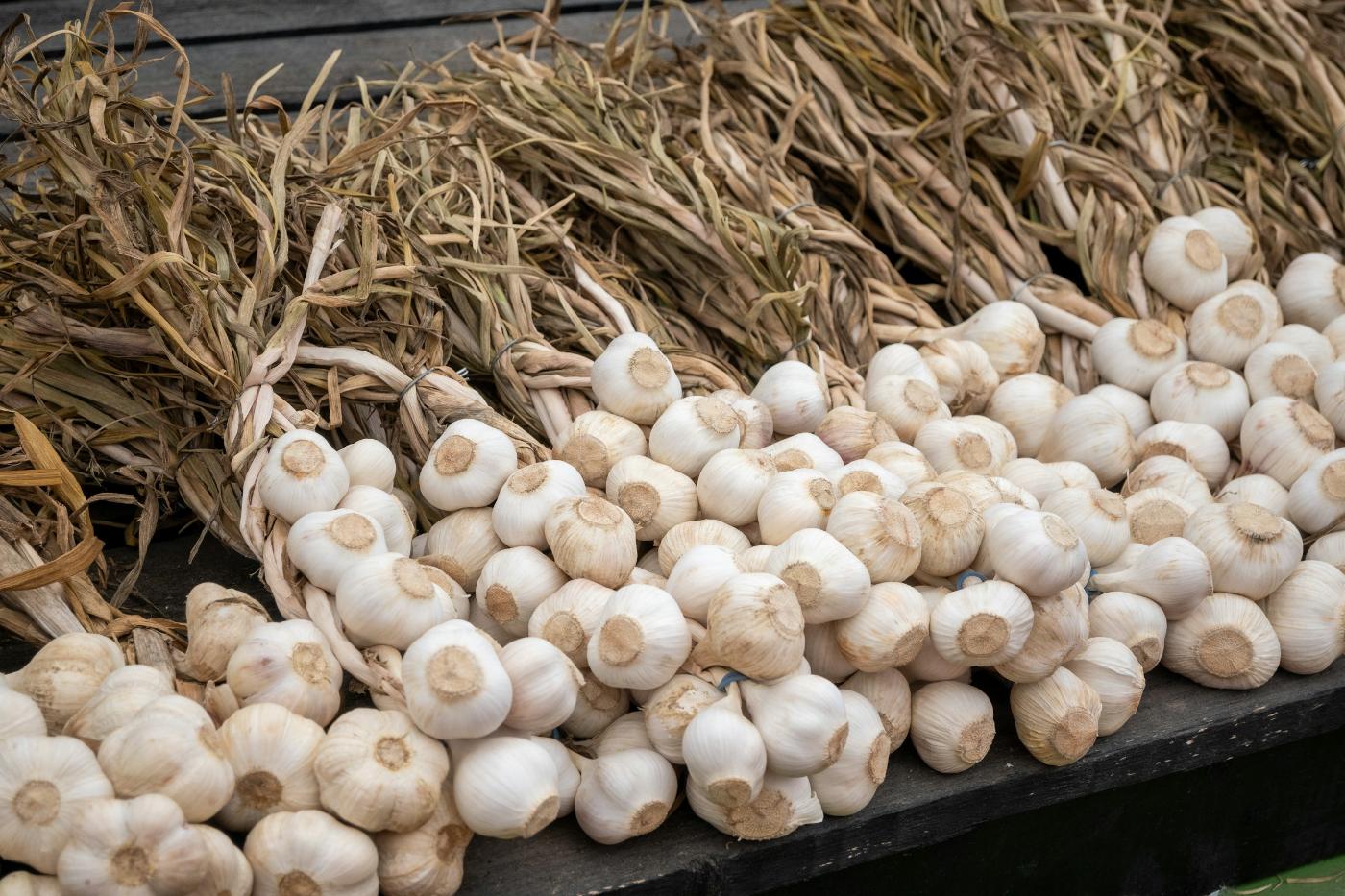
Garlic is probably sitting in your kitchen right now, and it has been a staple of kitchens, medicine chests, and battlefields for more than five thousand years. Few foods have a past this colorful, and few are as easy to grow at home. Here are seven surprising facts about garlic, from its ancient history to how to grow, cure, and store your own.
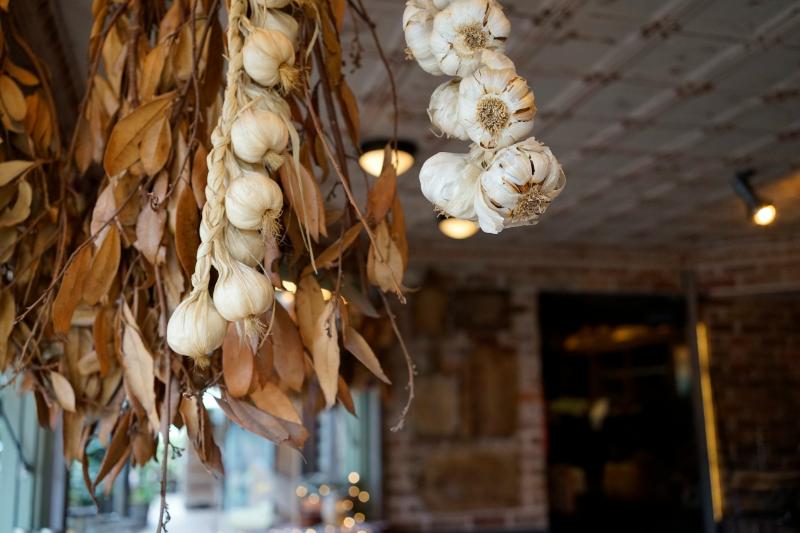
1. Garlic Is One of the Oldest Medicines on Earth
We do not know who first dug up a wild garlic bulb and decided to eat it, but garlic has been part of human life for a very long time, and some of the oldest evidence comes from Egypt. According to a review in Pharmacognosy Reviews, archaeologists have found clay garlic bulbs dating to about 3700 BC. By the time of the Ebers Papyrus, an Egyptian medical text from around 1550 BC that you can read online, garlic was already a serious medicine. The classic herbal handbook Back to Eden (paperback | Kindle), by natural health pioneer Jethro Kloss, notes that the papyrus mentions garlic twenty-two times as a remedy. Garlic was hardly alone: roughly a third of the plants in a modern pharmacopoeia were already known to the Egyptians, garlic among them. (pp. 54, 621)
Garlic also fueled Egyptian workers and soldiers. As Back to Eden tells it, citing the Greek historian Herodotus, an inscription on an Egyptian pyramid listed the garlic, onions, and radishes consumed by the workers there, and garlic was handed out to build stamina and ward off disease. Egyptian soldiers reportedly ate it to boost their courage before battle (p. 621), and the review notes that Greek Olympic athletes ate it as well.
Garlic turns up in scripture, too. In Numbers 11:5, the Israelites, wandering in the wilderness after leaving slavery in Egypt, longed for the cucumbers, melons, leeks, onions, and garlic they had eaten there. (p. 622)
The Greeks and Romans were just as enthusiastic. Hippocrates, the father of medicine, used garlic as a laxative and diuretic and for chest pains, toothaches, and battle wounds, while Pliny the Elder recommended it for intestinal disorders, asthma, animal bites, and stings, and Dioscorides, chief medical officer of the Roman army, used it against intestinal worms. (pp. 621-622) The physician Galen called garlic a "rustic's theriac," a kind of peasant's cure-all.
From the Mediterranean, garlic likely traveled east, reaching Japan from Korea alongside Buddhism around 30 BC. (p. 622) It remained a trusted remedy through the Middle Ages, when it was credited with saving many lives during the great plagues that swept Europe, though that claim is impossible to verify today. (p. 627)
In 1858, Louis Pasteur noted garlic's mild germ-killing action. (p. 627) Garlic was later used as an antiseptic to prevent infection and gangrene in wounds during both world wars (p. 627), and in Russia it earned the nickname "Russian penicillin," a name the review traces to Russian doctors who used it for respiratory illnesses and kept using it for the Red Army in World War II, even after penicillin arrived.
2. People Have Used Garlic for Almost Everything
Here are the more everyday uses from the long list compiled in Back to Eden (p. 622):
- Lungs and breathing: asthma, bronchitis, whooping cough, and colds
- Skin: acne, athlete's foot, dandruff, ringworm, and cold sores
- Digestion: constipation, diarrhea, stomach ulcers, hemorrhoids, and intestinal worms, including pinworms
- Joints and circulation: arthritis, rheumatism, and high blood pressure
- Other: conjunctivitis (pink eye) and snake bites
Garlic also appears on the book's herb lists for the prostate gland (p. 257) and for the prevention of disease. (p. 260)
3. Crushing Garlic Unlocks Its Power
Garlic's punch comes from chemistry. A whole clove holds a compound called alliin and an enzyme that converts it into allicin the moment the clove is cut or crushed, a discovery credited to Swiss chemist Arthur Stoll in the 1940s. Allicin is responsible for garlic's famous odor and for its germ-killing reputation. Heat destroys it, and so does time: it takes nearly two years for the allicin in aged garlic to fade completely. (pp. 623-624) That is why many cooks crush or chop garlic and let it rest for a few minutes before it hits a hot pan.
As for nutrition, garlic is eaten in such small amounts that it is a minor source of vitamins and minerals. According to the USDA's FoodData Central database, three cloves (about nine grams) supply roughly 3 milligrams of vitamin C and around 6 percent of the daily value for manganese and vitamin B6. Garlic is a flavor first and a nutrient source a distant second.
4. Science Has Barely Scratched the Surface of Garlic
Researchers have taken an interest in garlic. The National Institutes of Health's National Center for Complementary and Integrative Health says garlic supplements may lower cholesterol, particularly in people with high cholesterol, and may reduce blood pressure slightly in people with hypertension. For colds and flu, the center says very little research has been done. That has not stopped some holistic practitioners from swearing by an old folk habit: they like to eat a raw clove or two at the first sign of a cold to ward it off.
A study cited in Back to Eden gives a sense of garlic's potential. Published in the American Journal of Clinical Nutrition, it followed healthy volunteers who took garlic oil capsules equal to about ten cloves a day for six months, and their total cholesterol fell 14 percent. (p. 625)
On at least one point, the two sources line up. Back to Eden cites research that garlic slows blood clotting, crediting a compound called ajoene (p. 626), and NCCIH notes that garlic supplements may increase bleeding risk.
Our take: studies on garlic are relatively few, and it is easy to see why. There is little financial incentive to fund research on a vegetable that anyone can grow for free. We do not think a traditional use needs a clinical trial to be worth respecting, and generations of cooks, herbalists, and healers have kept garlic close at hand. Our advice is to enjoy it as a flavorful food and to treat concentrated supplements with the same care as any other potent substance.
5. You Can Grow Garlic From a Grocery Store Bulb
Garlic is one of the easiest crops to grow, and it makes a great fall planting project, when most other gardening is winding down. Better still, you do not need special seed to begin. Every clove in a bulb is a ready-made planting, and a grocery store bulb costs a fraction of what you would pay for specialty seed garlic. The one caution, which comes from university extension services like Maryland's, is that supermarket garlic can carry diseases that show no symptoms until they spread through a garden bed. Our suggestion is to plant bulbs that are US-grown or organic, ideally from a farmers market or a local grocer, and to choose bulbs that are plump and firm with no soft spots or mold.
If you would rather buy bulbs sold specifically for planting, they are easy to find, too, like this six-pack of Siberian hardneck garlic or this four-pack of Music hardneck garlic. They are one more option, not a requirement.
Hardneck or Softneck?
Garlic comes in two main types. According to Utah State University Extension, softneck garlic stores very well and is the kind used for braiding, while hardneck garlic has a stiff stem growing up through the bulb and a shorter storage life. Softneck is also the type you usually find in grocery stores, according to Maryland Extension. Hardneck gardeners get a bonus, though: the curling flower stalks, called scapes, are edible. Penn State Extension says they work in pesto, stir fries, and omelets, anywhere you would use a scallion. A third plant, elephant garlic, is mild, stores poorly, and is actually more closely related to leeks than to true garlic.
How to Plant, Grow, and Harvest
- Pick your planting date. Plant in fall so the cloves can root before winter. Utah State suggests mid-September through early November, Maryland says mid-to-late October, and South Dakota says to plant two to three weeks after the first frost, when the soil at four inches deep has cooled to about 50°F.
- Prepare the bed. Choose a sunny spot with loose, well-drained soil. Heavy clay and compacted ground are poor choices for garlic.
- Break the bulb into cloves. Use the largest cloves, since they produce the strongest plants, and keep the papery skins on. South Dakota notes that peeled cloves are more likely to rot in wet soil.
- Plant them pointed end up. Utah State recommends two to three inches deep, though colder climates like South Dakota's call for four to six inches to help the cloves survive winter. Space cloves about four to six inches apart, with rows six to ten inches apart.
- Mulch after the ground freezes. South Dakota recommends six to eight inches of straw or leaves, which prevents frost heave when the ground freezes and thaws.
- Water in spring. Garlic has shallow roots and wants steady moisture while it grows. Stop watering as the leaves begin to yellow, because wet soil at the end of the season causes problems in storage.
- Snip the scapes. On hardneck varieties, Maryland suggests pinching off the flower stalks to push more energy into the bulb.
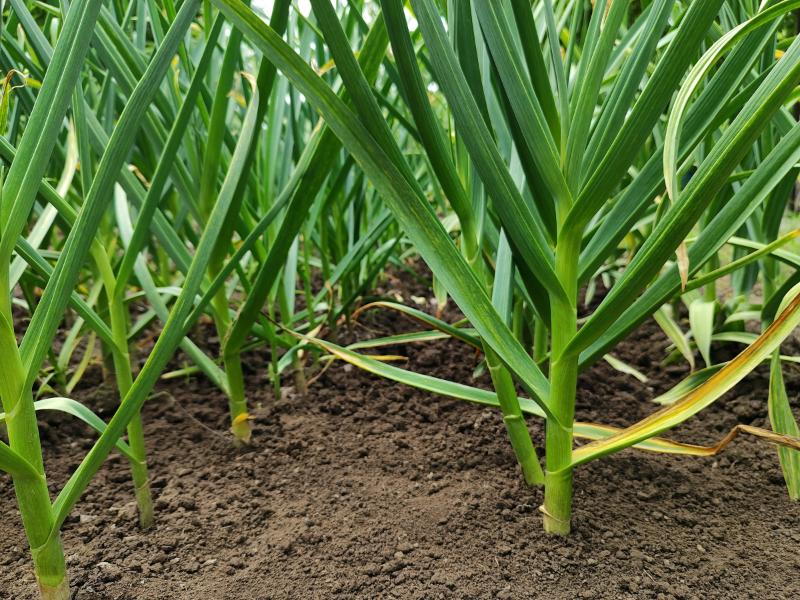
- Harvest in early summer. The leaves tell you when. Maryland says to lift the plants when about half of the foliage has turned brown, which in its region is around the first of July. UMass Extension adds that it is better to harvest a little early than too late, before the cloves start to separate. Dig the bulbs carefully instead of pulling them by the leaves.
If you want to go deeper, Growing Great Garlic is a favorite guide among small-scale growers.
6. Garlic Keeps for Months if You Cure It Right
Cure It First
Freshly dug garlic needs to dry before it can be stored, and this is the step most people skip. UMass Extension says curing takes ten to fourteen days, either by hanging the bulbs with their tops on or laying them out on mesh, in a shady, well-ventilated spot out of direct sun. Utah State says one to two weeks, and Maryland says seven to fourteen days. Do not wash the bulbs. Garlic is fully cured when the outer skins are dry and crispy, the neck has tightened, and the center of the stem is hard.
Then Store It
Well-cured garlic keeps for months, and how long depends on where you keep it.
- Short term (one to two months): UMass Extension says garlic holds up at normal room temperatures, between 68 and 86°F, in humidity below 75 percent. Beyond that, warm bulbs gradually turn soft, spongy, and shriveled.
- Long term (six to nine months): Cold, dry storage works best. UMass lists 30 to 32°F, Maryland lists 32 to 38°F, and Utah State lists 32 to 40°F, and Maryland says bulbs typically keep six to nine months in a cool, dry basement. A basement or cellar room that stays above freezing is ideal.
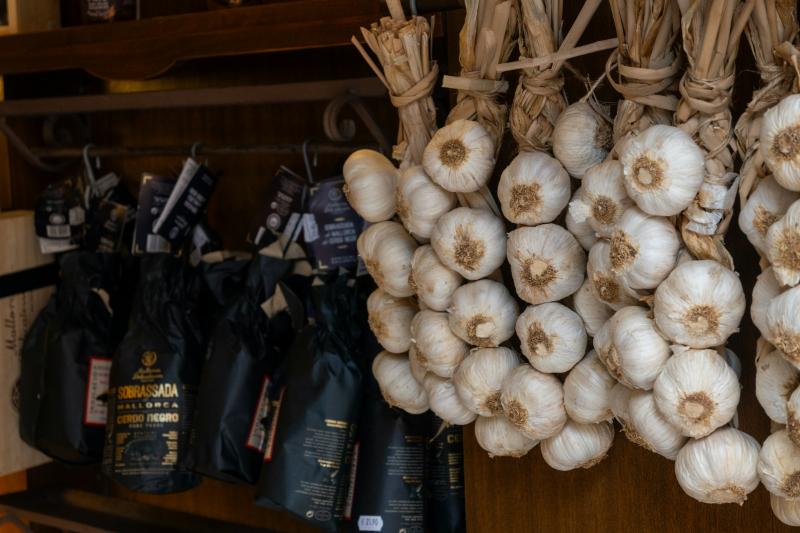
- How to pack them: Keep bulbs in one or two layers in a ventilated container, such as a mesh bag or basket. A clay garlic keeper with air holes is a handy countertop option for the bulbs you are using now. Softneck varieties can also be braided and hung.
- Save your best: Set aside the biggest bulbs to plant in the fall. UMass recommends storing seed garlic at about 50°F.
Cloves can also be frozen, according to Oregon State University Extension.
7. Garlic Can Replace the Salt Shaker
One of garlic's most underrated jobs is replacing salt. According to the USDA, three cloves contain only about 1.5 milligrams of sodium, compared with roughly 2,300 milligrams in a teaspoon of table salt, yet they add a big, savory flavor. For anyone trying to cut back on salt, that makes garlic one of the cheapest seasonings in the store.
Garlic does not need to be eaten by the handful to be worth having. Most people can eat only a little raw garlic at a time, usually mixed into other foods (p. 623), and the recipes in Back to Eden show how to make a little go a long way. To flavor cooked greens, rub the cooking kettle with a cut clove of garlic before adding the greens. (p. 661) For homemade mayonnaise, rub a cut clove on the bowl first, which adds greatly to the flavor. (p. 694) And soups and savory bean dishes get their seasoning from onions, garlic, and parsley. (pp. 683, 689) It is a lovely, frugal technique: a single clove goes a long way, and all you need is a good garlic press and a silicone peeler to make the prep painless.
Natural health advocates Paul and Patricia Bragg built a whole kitchen philosophy around seasoning without salt. In Bragg Healthy Lifestyle, they skip table salt entirely and flavor their food with herbs, onions, garlic, liquid aminos, and apple cider vinegar instead. Their favorite raw vegetable juice cocktail, made with carrots, celery, beets, cabbage, tomatoes, watercress, and parsley, includes garlic, which they call "the great purifier," though they note that it is optional. Their recipes put it to work in everything from a whole-grain pizza topped with fresh garlic to a simple salad dressing of apple cider vinegar, olive oil, a little honey, and a clove or two of minced garlic.
The book also lists garlic among the foods rich in phytochemicals, the plant compounds it says help protect against cancer, and credits the sulfur compounds in garlic and onions with supporting liver enzymes and slowing cholesterol production.
Regardless of how you weigh the health claims, the kitchen idea is sound and cheap: build flavor with garlic, herbs, and vinegar before reaching for the salt shaker. If you would like to see how the Braggs put that philosophy into practice, Bragg Healthy Lifestyle and their Apple Cider Vinegar: Miracle Health System are good places to start, and you can read more about the man behind them in our profile of Paul Bragg.
A Few Words of Caution
Garlic is safe for most people in the amounts used in food. Like any strong food, it does not agree with everyone: Back to Eden notes that large amounts of raw garlic can upset the digestion, and an occasional person is allergic and develops a red, itchy rash on contact. (pp. 623, 627) If raw cloves are too much for your stomach, cooking them tames the bite.
The Case for Garlic
Few foods have earned a place in as many kitchens, medicine chests, and gardens for as long as garlic. Egyptian workers and soldiers ate it for strength and courage, the Greeks and Romans prescribed it for everything from toothaches to intestinal worms, and it traveled east to Japan and through the plagues of the Middle Ages. Armies used it to keep wounds clean in two world wars, and Russians gave it the nickname "Russian penicillin." Its power comes from allicin, which forms the moment a clove is cut or crushed, and science has only begun to study it, in large part because nobody profits from researching a vegetable you can grow for free.
Garlic is also one of the most practical plants a frugal household can grow. A grocery store bulb broken into cloves and planted in fall needs little more than loose soil, a layer of mulch, and a bit of patience, and every clove returns a full bulb by early summer. After harvest, it cures in a week or two and keeps for months in a cool, dry place, so one small bed can supply a kitchen through the winter and provide next year's planting stock as well.
In the kitchen, garlic delivers big flavor for almost no sodium, which makes it a natural replacement for the salt shaker, just as the Braggs advocated. Our view is simple. Plant a few cloves in the fall, cook with it generously, and treat it the way generations before us did, as one of the great bargains in the kitchen and the garden. If you enjoy rediscovering overlooked plants, you might also like our look at another old-time favorite, the dandelion.