Del Monte Went Bankrupt, So How Is It Still on Shelves?
Del Monte's Chapter 11 filing ended the old company, not the cans. See who bought its vegetables and fruit, who owns the name, and why the label lives on.
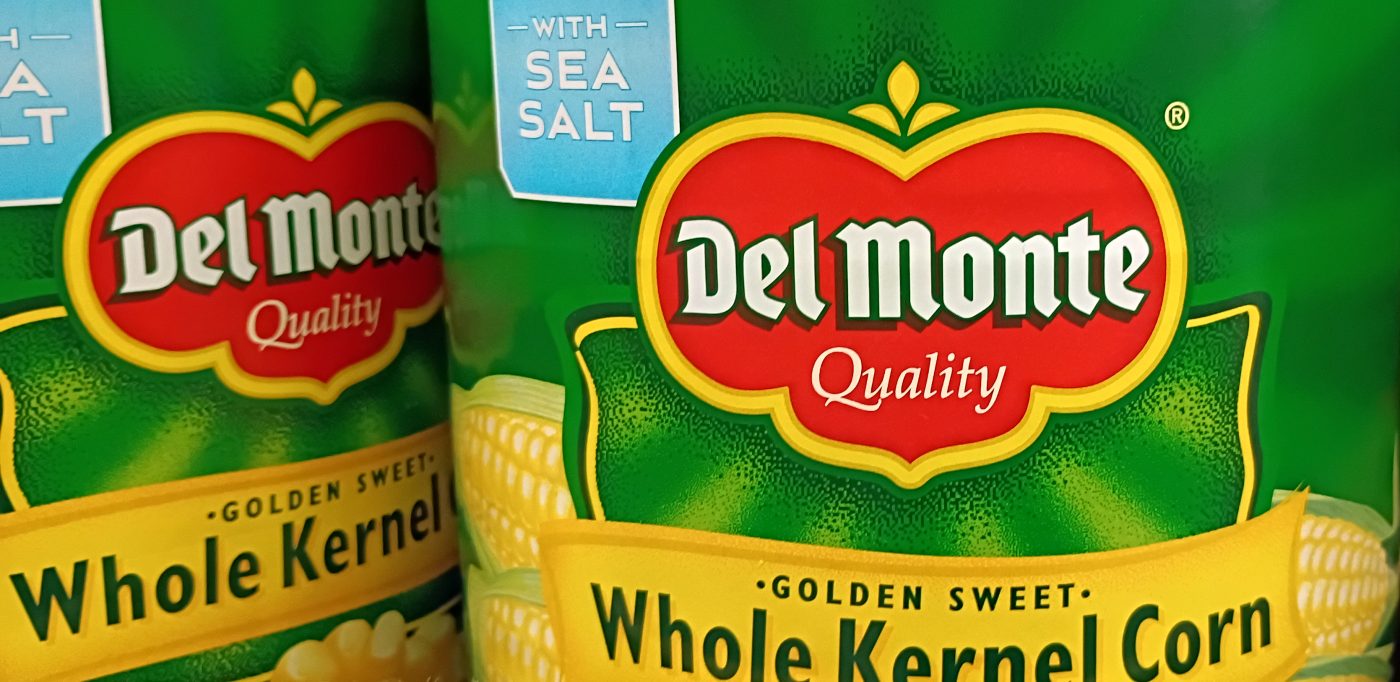
You may have heard that Del Monte went bankrupt. Then you walk into Sam's Club and find stacks of Del Monte cans, looking exactly as they always have. Both things are true. The old company is gone, but the brand was sold, and the story behind that sale is stranger than a can of green beans has any right to be. Here is what happened to Del Monte and who owns those cans today.
Did Del Monte Really Go Bankrupt?
Yes, Del Monte Foods really did go bankrupt, but Del Monte products stayed on shelves because the brands were sold instead of shut down. The company filed for Chapter 11 in July 2025. Food Business News reported that three sale agreements covered substantially all of its assets and operations as going businesses, and that the main buyer planned no immediate product changes. A bankruptcy can end a company without ending the can on the shelf.

Why Did Del Monte Foods Go Bankrupt?
Del Monte Foods went bankrupt because several problems hit a nearly 140-year-old company at once. Just Food reports that yearly cash interest costs rose from $66 million in fiscal 2020 to $125 million in fiscal 2025. The company was also left with excess inventory after the pandemic demand spike, and tariffs on steel and aluminum raised the cost of making cans.
Shoppers changed, too. Just Food says more people were moving toward fresh, minimally processed foods, while others switched to cheaper store brands as consumer confidence weakened. There is a twist in that second point, because Del Monte made store-brand products of its own. According to the same report, that business shrank substantially after plant closures. So store brands were part of the squeeze, but they were not the whole story.
Who Owns Del Monte Now?
Del Monte's businesses now belong to three different companies. A court-supervised sale split them up, and these cards show who took what, using figures from Food Business News.
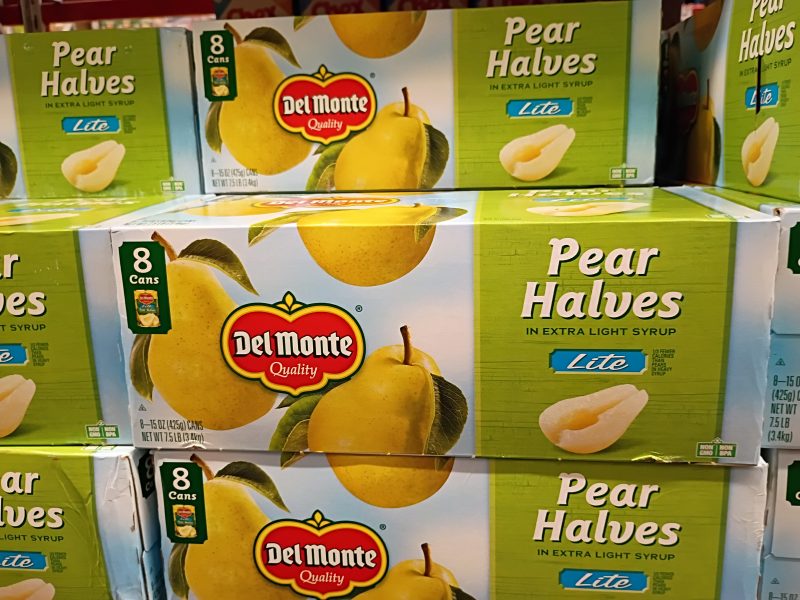
Del Monte vegetables and Del Monte fruit now have different owners, even though the labels share a logo. The corn and green beans fall under Fresh Del Monte, which completed its purchase on March 19, 2026. Canned fruit falls under Pacific Coast Producers, a farmer cooperative in California. Food Business News notes that the cooperative also cans fruit and tomatoes for private labels, so a famous national name is now in the hands of a store-brand supplier.
How Did the Del Monte Name Get Split in the First Place?
The Del Monte name was split when RJR Nabisco broke the company apart around 1990. A Del Monte filing with the Securities and Exchange Commission says RJR Nabisco sold the fresh produce business in December 1989 and the canned foods business in January 1990. From then on, one Del Monte sold bananas and pineapples, and another sold cans. The two fought over the name in court until a settlement in 2017.

The bankruptcy put the Del Monte name back together. Just Food reports that Fresh Del Monte's purchase placed the brand under a single owner for the first time in nearly four decades, subject to licensing deals. The fresh fruit company went a step further, and its quarterly report says it changed its name to Del Monte Corporation on June 9, 2026. The brand is not just surviving, either. Food Business News reported the launch of ranch-flavored corn, made in partnership with Hidden Valley Ranch, and Italian-style vinaigrette green beans.
Are Canned Vegetables Losing to Store Brands?
Store brands are a real force in the canned vegetable aisle, and the line between them and name brands is blurrier than it looks. Seneca Foods shows why. In its 2019 annual report, Seneca said about 63 percent of its packaged food sales were packed under its customers' private labels, and that it held a leadership position in private label canned vegetables. It also sold Libby's and packed Green Giant cans under contract.
Canned vegetable brands keep landing with the companies that already do the canning. Food Processing reports that Seneca bought the U.S. canned Green Giant line in November 2023 and the U.S. frozen line in 2026, after B&G Foods paid $765 million for the brand in 2015. So the jolly green name, the store-brand can beside it, and Libby's may all trace back to one company. A label does not say which plant filled the can, and a famous name is no guarantee of a separate source.
If this kind of ownership story interests you, read about why Campbell's is struggling with name brands, how two German brothers connect Aldi and Trader Joe's, and the common myths about store brands.
Your Favorite Del Monte Cans Are Sticking Around
Your favorite Del Monte canned goods, from sweet peas and stewed tomatoes to sliced peaches and fruit cocktail, do not seem to be going anywhere for now. The old company is gone, but the new owners bought those brands to keep them on the shelf, so the familiar red label should stay right where you left it.
Photos taken at Sam's Club by Cheap Simple Living. 1948 Del Monte advertisement from The Ladies' Home Journal (public domain) via Wikimedia Commons.