Why Does Mattel Make Both Hot Wheels and Matchbox?
Hot Wheels and Matchbox were once rivals. Here is how Mattel came to own both, why it still sells both, and how the two brands differ.
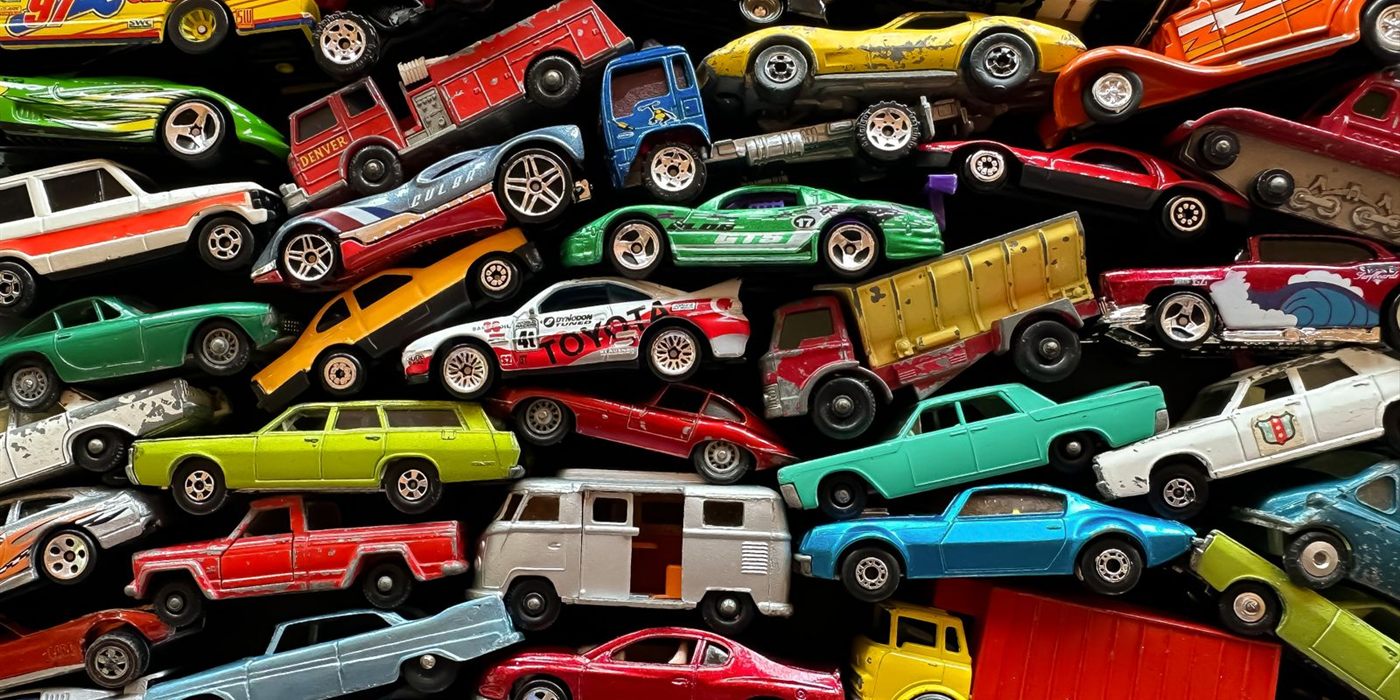
Walk down the toy aisle and you will see two walls of little die-cast cars: Hot Wheels and Matchbox. They look like rivals, and for decades they were. Today, though, the same company makes both. Here is how Mattel came to own its old competitor, why it still sells two brands of tiny cars, and what the difference between them means when you are shopping.
Where Did Matchbox Come From?
Matchbox started with a small British toy company. English die casters Leslie Smith and Rodney Smith founded Lesney Products in 1947. According to the National Toy Hall of Fame, their partner, Jack Odell, was inspired by a rule at his daughter's school that allowed only toys small enough to fit inside a matchbox, so he scaled down Lesney's toy road roller, packed it in a matchbox, and the Matchbox car was born. According to an Associated Press report on Matchbox's 2019 induction into the hall, the cars debuted in England in 1953, reached the United States a year later, and were selling at a rate of more than 100 million a year by 1960.
Where Did Hot Wheels Come From?
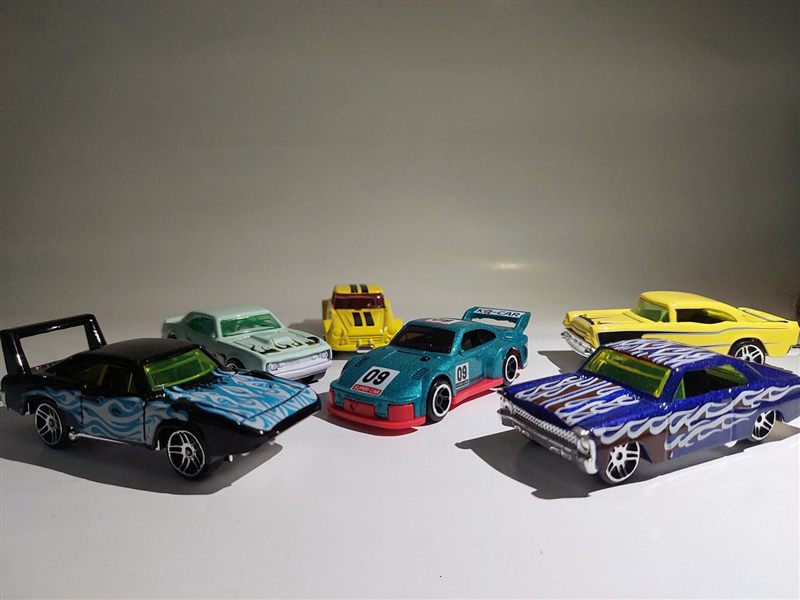
Hot Wheels was Mattel's answer to Matchbox. The National Toy Hall of Fame's Hot Wheels entry says Mattel cofounder Elliot Handler envisioned a die-cast car to surpass the popular English Matchbox brand. Handler brought in Harry Bradley, an auto designer from Chevrolet, but he wanted cars styled like the custom hot rods he saw on California highways, and he wanted them to zoom. Mattel gave its cars low-friction axles and plastic wheels built for speed, and in 1968 it released 16 custom muscle cars painted in shiny candy colors. The hall says sales topped 16 million in the first year, and Mattel added flexible plastic track with its famous loop.
How Did Mattel End Up Owning Matchbox?
Mattel bought Matchbox by buying its parent company in 1997. Hot Wheels hit Matchbox hard. Once the flashy American muscle cars hit toy stores, many kids lost interest in Matchbox cars, according to the National Toy Hall of Fame, and Lesney fought back with a faster line of its own called Superfast. Even so, the high cost of manufacturing in England drove Lesney into bankruptcy, and new owners moved most production to Asia. By the 1990s, Matchbox belonged to Tyco Toys.
Mattel and Tyco signed a merger agreement on November 17, 1996, according to a Tyco filing with the Securities and Exchange Commission, and Mattel's quarterly report says the merger was completed on March 27, 1997. That report lists Matchbox among the brands Mattel picked up, along with Sesame Street toys, Magna Doodle, and View-Master. In its annual report for 1997, Mattel grouped Hot Wheels and Matchbox together in a single "Wheels" category of core brands.
- 1947Lesney Products is founded in England
- 1953Matchbox cars debut in England, reaching the U.S. a year later
- 1968Mattel launches Hot Wheels with 16 custom cars
- 1990sMatchbox belongs to Tyco Toys
- 1997Mattel completes its merger with Tyco, bringing Matchbox in
- 2011 and 2019Hot Wheels, then Matchbox, enter the National Toy Hall of Fame
Why Does Mattel Still Make Both?
Mattel keeps both brands because each one has its own identity and its own fans. Mattel does not spell out its reasoning, but its own descriptions show two different personalities. In its most recent annual report, Mattel says Hot Wheels has continued to push the limits of performance and design since 1968, and it calls Matchbox a die-cast pioneer. Hot Wheels is also by far the bigger business. The same report lists Hot Wheels as one of Mattel's top three brands, with about $1.75 billion in gross billings in 2025. Matchbox has its own spotlight, though. Apple announced that Matchbox The Movie, starring John Cena, would premiere on Apple TV on October 9, 2026.
Matchbox also carries a name people still use. The National Toy Hall of Fame notes that some people call any miniature car a "Matchbox," no matter who made it. Keeping a famous name alive, instead of folding it into Hot Wheels, lets Mattel sell to shoppers who are loyal to either one.
How Are Hot Wheels and Matchbox Different?
The main difference is style. Hot Wheels leans toward speed, custom designs, and tracks, while Matchbox leans toward realistic, everyday vehicles. Top Gear, covering the brand's 70th anniversary in 2023, described Matchbox cars as popular for their realism and affordability, and the National Toy Hall of Fame credits Matchbox's success to high quality, impressive detail, and affordable prices.
Is One Brand Better Made Than the Other?
The two brands have more in common than their old rivalry suggests. Both are Mattel products, and Mattel's annual report says it makes its toys in both company-owned plants and through outside manufacturers in China, Vietnam, Indonesia, Malaysia, Mexico, and Thailand. Toys sold in the United States also have to meet the same federal rules. The Consumer Product Safety Commission says the ASTM F963 toy standard is mandatory, and that toys meant for children 12 and under must be tested by an accepted third-party lab. Since both brands play by the same rules and come from the same company, the choice really comes down to which style your kid, or you, likes better.
Pick the Style You Like, Not the Logo
Hot Wheels and Matchbox started as fierce rivals, one British and one American, but Mattel has owned both since 1997. Hot Wheels is the speed-and-style brand, and Matchbox is the realistic, everyday-vehicle brand. Both come from the same company and meet the same safety rules, so grab the cars your kids will actually race across the kitchen floor.
Header photo of die-cast cars by Wokandapixels, custom cars photo by Ibtisham Ifti, and SUV photo by Haseeb Modi, all via Pexels.