Can You Eat Thistle? Chadron, Louisiana's Cajun Celery
Can you eat thistle? In south Louisiana, yes. Meet chadron, or Cajun celery, plus how to peel and cook it and why cardoon graces St. Joseph's altars.

Along the roads and ditches of south Louisiana stands a tall, thorny weed that looks ready to pick a fight. Most people would drive right past it, but plenty of Louisianans pull over with a sharp knife. Yes, you can eat thistle, and here it goes by chadron, or Cajun celery. Here is what chadron is, how it became a spring tradition, how to peel and cook it, and how a second spiky thistle made its way onto the St. Joseph's altars of New Orleans.
Can You Really Eat a Thistle?
Yes, you can eat a thistle once the thorny parts are gone. Louisiana Farm & Ranch reports that peeled young thistle stalks are good raw or cooked, and forager John Nettles says they taste like sweet celery. The forager Green Deane, on Eat the Weeds, lists more edible parts of the plant, including the roots, the leaves trimmed of their spines, and the bottoms of the unopened flower buds. The stalk is the prize, though, and it is the part Louisiana cooks talk about most.
What Is Chadron?
Chadron is the south Louisiana name for a wild thistle. Evergreen Plantation, on the River Road, explains that the word comes from chardon, the French word for thistle, and that it sounds roughly like "SHAH-DRON." Most people consider thistles weeds, but in south Louisiana grandparents have passed down the habit of cutting, peeling, and snacking on them.
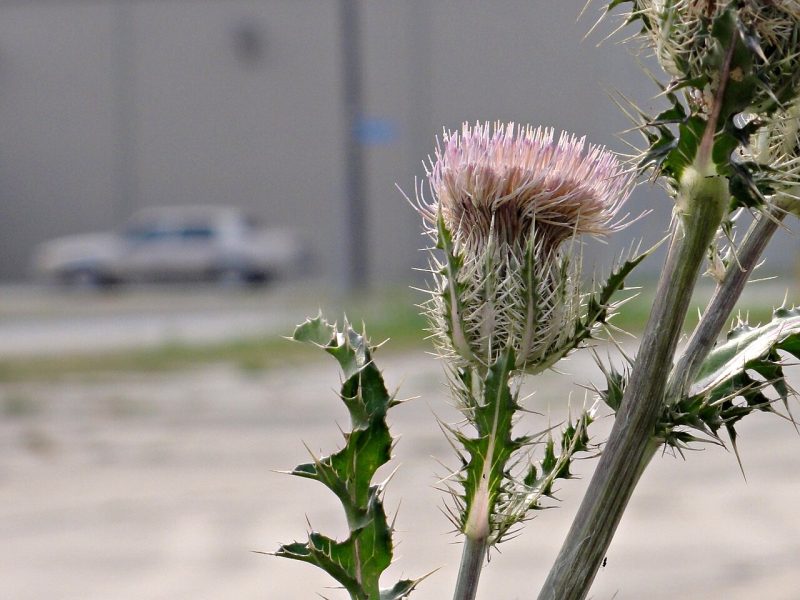
The plant most often tied to the name is Cirsium horridulum, a native thistle that Country Roads Magazine calls Louisiana thistle and Cajun celery. The magazine says the plant thrives nearly everywhere in the region, from pastures to roadsides to dry swamp floors, and that it offers early spring nectar for pollinators. The name "bull thistle" can get confusing. The U.S. Geological Survey uses it for Cirsium horridulum, while a Plaquemines Gazette garden column uses it for Cirsium vulgare. In everyday Louisiana speech, chadron simply means the local thistle.
- Native range, county records
- Listed for the state, no county detail
USDA PLANTS lists yellow thistle as native to the lower 48. This is a documented range, not a guarantee that you will find it growing in your area. Data: USDA PLANTS. Basemap: OpenFreeMap, © OpenStreetMap contributors.
How Long Have Louisianans Been Eating Thistle?
Louisianans have been eating thistle for generations, and the tradition may reach back to the first Acadians. Louisiana Farm & Ranch says the hollow stalks were an important vegetable for the state's early Acadians. A history post from Evergreen Plantation points to an April 27, 1878 story in the newspaper Le Meschacébé, in which the folktale character Compair Bouki gathers pokeweed and thistles along the road. Thistle was familiar enough to turn up in a story for local readers.
How Do You Pick Chadron?
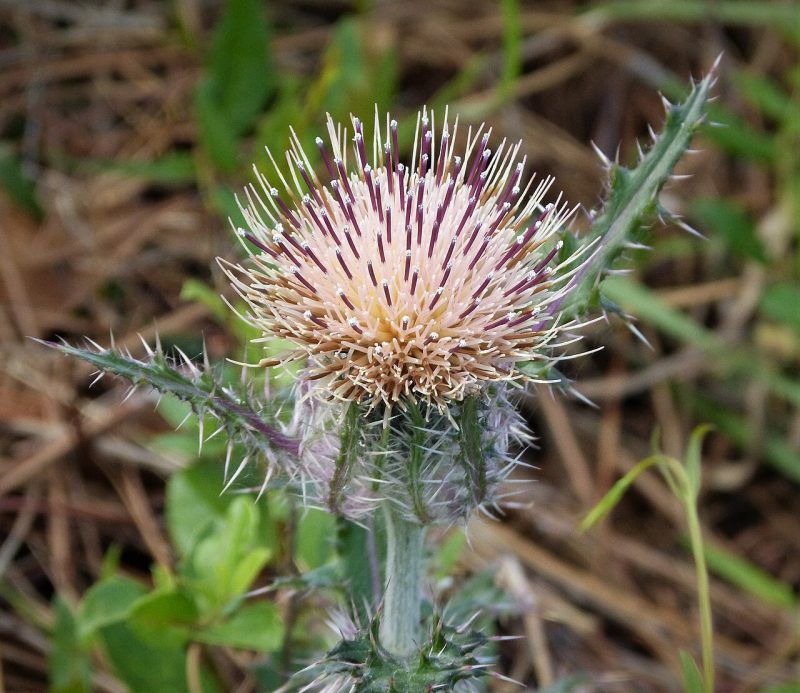
The best chadron is young, short, and not yet in flower. Evergreen Plantation calls the spring harvest a chadron hunt, and it says to look for the younger plants. The U.S. Geological Survey says Cirsium horridulum is easy to identify by its spiny leaves and reddish purple flowers, which are yellow in Texas, and that it blooms from March through June. Louisiana Farm & Ranch recommends heavy gloves for handling it, and that is one piece of advice nobody needs to hear twice. Pick from clean ground, away from sprayed roadsides and ditches.
How Do You Peel and Cook Chadron?
Chadron is simple to prepare, and it needs only a sharp knife and a few minutes. The steps below follow the method in Louisiana Farm & Ranch, which suggests eating the peeled stalk raw, sautéed, or pickled.
- Trimcut the thorny leaves from the stalks
- Scrubwash the stalks thoroughly
- Peelcarefully slice off the outer skin
- Slicecut the stalks about a quarter inch thick
- Sautécook in hot butter for about 2 minutes, then add salt and pepper
Chadron is just as good without a stove. Evergreen Plantation says children in south Louisiana compare it to celery, only a little sweeter, and that adults sometimes toss the slices with vinegar, salt, and pepper. Country Roads Magazine favors the shoots raw in a vinegary salad, too.
What Is Cardoon, Louisiana's Other Edible Thistle?
Cardoon is a spiky, thistle-like vegetable from the Mediterranean, and New Orleans knows it through Sicilian tradition. Britannica describes cardoon, Cynara cardunculus, as a thistlelike perennial native to southern Europe and North Africa, grown for its blanched inner leaves, stalks, and thick roots.
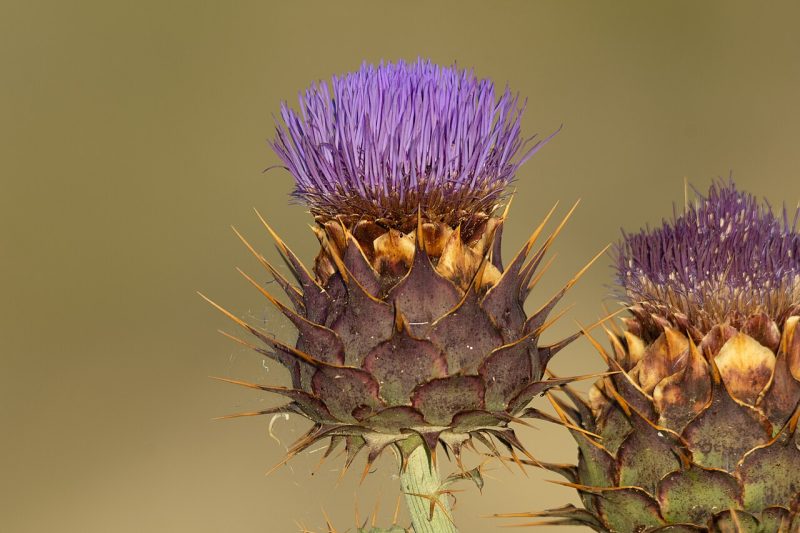
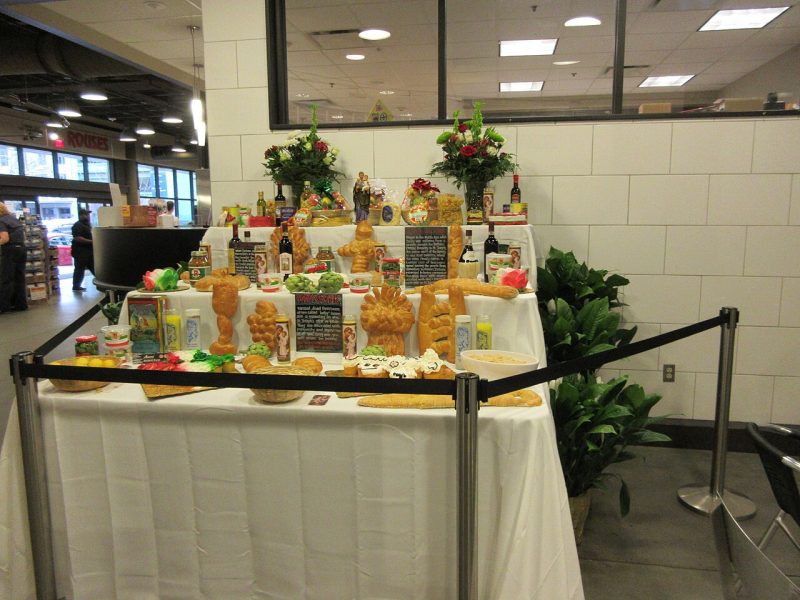
Cardoons have a place of honor on St. Joseph's altars in Louisiana. 64 Parishes, the online encyclopedia of Louisiana, explains that Sicilian farm workers came to New Orleans after the Civil War and that many stayed and sent for their families. The altars they built for Saint Joseph's Day, March 19, are meatless because the feast falls during Lent, and the encyclopedia lists cardoons among the cooked dishes, along with stuffed artichokes and fried fish.
Chadron and cardoon share the spines and the celery-like stalks, but they arrived on Louisiana plates by different roads. This side-by-side shows how Louisiana's two edible thistles compare, drawing on Country Roads Magazine, Britannica, and 64 Parishes.
If you enjoy turning weeds into dinner, read about the dandelion, a backyard weed once treasured as food and stinging nettle, a weed that became cloth, soup, and tea. For another plant with a surprising family, see the six vegetables that came from one wild plant.
Grab Your Gloves and Go on a Chadron Hunt
Thistle may be the most intimidating free vegetable in Louisiana, and also one of the tastiest. Look for young chadron in spring, peel away the thorny outside, and enjoy a sweet, celery-like crunch that Louisianans have been savoring for generations. If you see a spiky cardoon on a St. Joseph's altar, you will know it comes from a thistle-eating tradition of its own.
Header photo of Cirsium horridulum by Willie Luker (CC BY-SA 4.0, cropped), New Orleans thistle photo by Bart Everson (CC BY 2.0), thistle close-up by gailhampshire (CC BY 2.0), cardoon photo by Nouha Latiri (CC BY-SA 4.0), and altar photo by Infrogmation of New Orleans (CC BY 2.0), all via Wikimedia Commons.