What Is a Pawpaw? America's Forgotten Native Fruit
What is a pawpaw? Meet the custardy native fruit Lewis and Clark relied on, why stores skip it, how to tell when it's ripe, and where to find one.
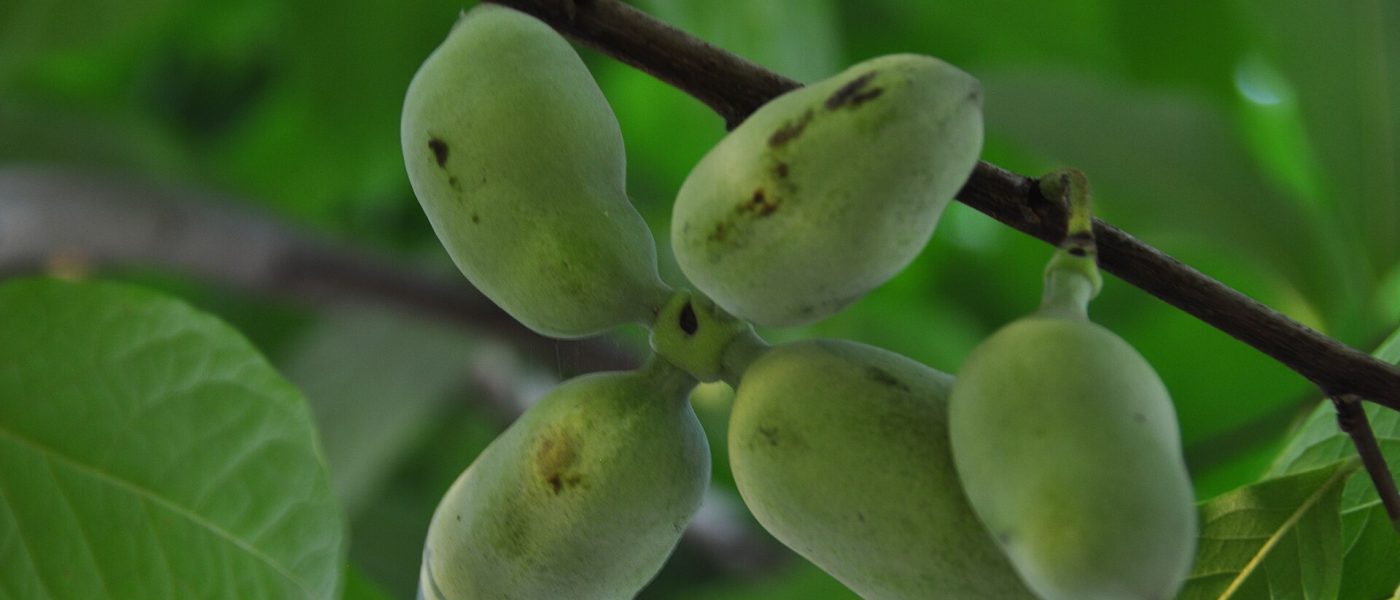
Somewhere in the woods of the eastern United States, a fruit that tastes like banana custard is falling to the ground, and hardly anyone is there to catch it. The pawpaw looks like it wandered up from the tropics, yet it grows wild from Louisiana to the Great Lakes. Presidents grew it, Lewis and Clark leaned on it, and children once sang about it. Here is what a pawpaw is, how it slipped out of American kitchens, and how to get your hands on one.
What Is a Pawpaw?
A pawpaw is a soft, custardy fruit from Asimina triloba, a small tree native to the eastern United States. Kentucky State University, home to a long-running pawpaw research program, calls it the largest edible fruit native to the United States. Ohio State University says the fruit runs 2 to 6 inches long and can weigh more than 12 ounces, with a row of large brown seeds inside. The tree belongs to a mostly tropical plant family, according to the Kentucky Native Plant Society, and that explains its island looks.

What Does a Pawpaw Taste Like?
A pawpaw tastes like a tropical fruit salad with the texture of custard. Kentucky State University describes a blend of banana, pineapple, and mango flavors. Clemson University calls it something like banana-strawberry custard. The fruit has collected some fun nicknames along the way, and Ohio State University lists wild banana, Appalachian banana, and hillbilly mango among them.
Where Do Pawpaws Grow?
Pawpaws grow across much of the eastern United States, usually in the shade of bigger trees. Ohio State University says the range stretches from eastern Kansas to western Connecticut, wraps around the Great Lakes, and reaches Louisiana and the Florida panhandle. Look along creeks and in rich, moist woods, where the trees often form patches. This map shows the counties where the species has been recorded.
- Native range, county records
- Listed for the state, no county detail
USDA PLANTS lists pawpaw as native to the lower 48. This is a documented range, not a guarantee that you will find it growing in your area. Data: USDA PLANTS. Basemap: OpenFreeMap, © OpenStreetMap contributors.

How Long Have Americans Been Eating Pawpaws?
People were eating pawpaws long before there was a United States. Ohio State University says the Cherokee and Shawnee collected the fruit and used the fibrous parts of the plant for fishing nets, rope, and string. In HistoryNet, Sarah Richardson quotes the naturalist John Lawson, who wrote in 1709 that Native people made "rare Puddings of this Fruit."
The pawpaw has an impressive guest list in American history. Ohio State University says George Washington planted pawpaws at Mount Vernon and Thomas Jefferson grew them at Monticello. Legend says Washington liked his pawpaw chilled, according to HistoryNet. The same article describes the Lewis and Clark expedition running short of food near the end of its return trip in 1806. The men were "entirely out of provisions," a September 18 journal entry says, but claimed they could "live very well on the pappaws."
The fruit was common enough to earn a place in song. Kentucky Woodlands Magazine notes the old popularity of "Way Down Yonder in the Pawpaw Patch," and it says hunting for pawpaws in the fall woods is still a cherished tradition for many Kentucky families.
Why Aren't Pawpaws Sold in Grocery Stores?
Pawpaws are missing from grocery stores because the ripe fruit is fragile and fades fast. University of Tennessee Extension puts the shelf life at only three days at room temperature. Yasmin Tayag, a science writer for The Atlantic, told Marketplace that the main problem is how hard pawpaws are to store and ship. A Maryland grower explained the other half of the puzzle to WTOP: a pawpaw picked too early may never ripen, so growers check the fruit by hand.
A pawpaw's short season and bruise-prone skin have kept it a local treat. HistoryNet says the fruit had admirers in the early 1900s, including a 1916 contest in the Journal of Heredity to find the best variety, before interest faded around the 1940s and 1950s. Plant geneticist Neal Peterson began breeding better pawpaws in 1975, and Kentucky State University has carried on that kind of work with varieties of its own.
How Do You Know When a Pawpaw Is Ripe?
A ripe pawpaw smells wonderful and gives a little under your thumb. This checklist comes from University of Tennessee Extension and Clemson University.
- Smella strong, fruity aroma
- Squeezegives gently, like a peach or avocado
- Colorgreen to yellow, with some dark blotches
- Groundripe fruit often drops on its own
- Eatscoop out the flesh, and skip the skin and seeds
A pawpaw with dark, blotchy skin can still be a good pawpaw, much like a spotted banana. University of Tennessee Extension says ripe fruit keeps in the refrigerator for a week or so, and the flesh can be frozen, with some loss of flavor. Stay away from hard, pale fruit, because WTOP reports that unripe pawpaws can cause nausea.

Are Pawpaws Good for You?
Pawpaws hold their own against the fruits in your kitchen, and their closest match is the banana. Kentucky State University reports that pawpaws have more protein than bananas, apples, or oranges, and that they lead all three in minerals such as magnesium, iron, and copper. This chart uses the university's figures for vitamin C in a 100-gram serving.
Can You Grow a Pawpaw Tree at Home?
You can grow pawpaws at home across much of the country, and you will want at least two trees. Clemson University explains that a single tree cannot pollinate its own flowers, so you need two unrelated trees, and it recommends container-grown cultivars because pawpaws are hard to transplant. University of Tennessee Extension says young trees prefer some shade, older trees bear best in full sun, and grafted trees fruit within three to four years. The pawpaw page at 10,000 Trees lists hardiness zones 4 to 8, and this hardiness zone map shows where you stand.
Pawpaw flowers rely on a stranger crew than most fruit trees. University of Tennessee Extension says the blooms have a carrion scent that attracts flies, and Clemson University adds beetles to the list. The maroon flowers open before the leaves in spring, so they are easy to spot if you know to look.

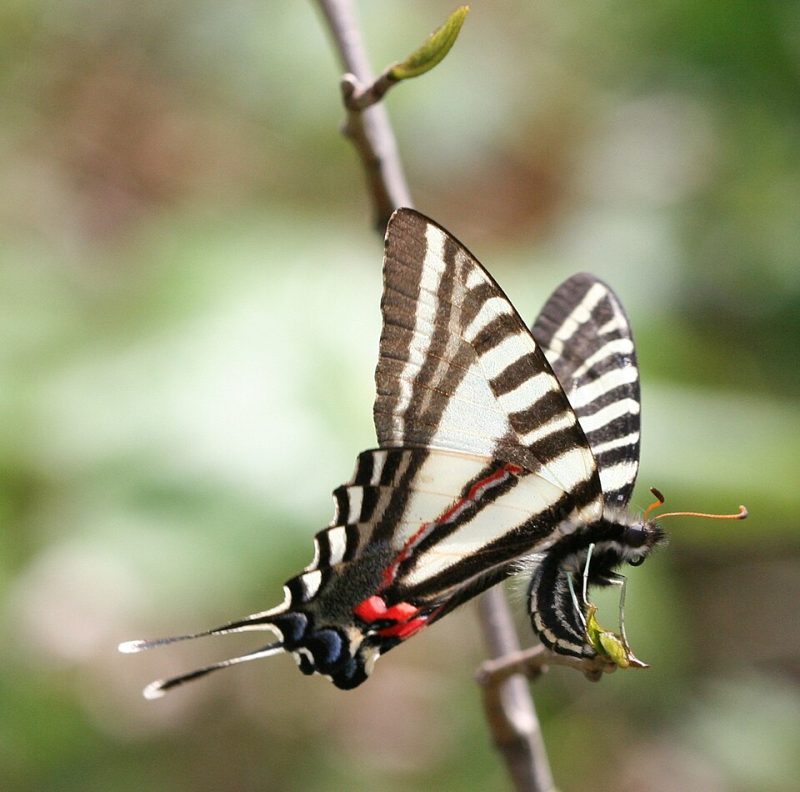
A pawpaw tree also feeds one of the prettiest butterflies in the East. Ohio State University calls pawpaw the primary North American host plant of the zebra swallowtail, whose caterpillars feed on the leaves but seldom hurt the harvest. If you enjoy planting for wildlife, read about how milkweed helps monarch butterflies and the American beautyberry, a native shrub with a story of its own.
Where Can You Buy or Try Pawpaws?
Your best shot at a fresh pawpaw is a farmers market in late summer or early fall. WTOP suggests asking market vendors, and it puts the Washington, D.C. area season at roughly late August through late September. Fans can also head to the Ohio Pawpaw Festival in Albany, a September event with cooking contests, a pawpaw-eating competition, and pawpaw beers. Ohio State University notes that the state named the pawpaw its native fruit in 2009.
The pawpaw's story connects to plenty of other food history. See why avocados have giant pits, the Cavendish story behind the grocery store banana, and how the dandelion went from treasured food to backyard weed.
Keep an Eye Out for Pawpaw Season
The pawpaw may be America's best-kept fruit secret, and all it takes to try one is a little timing. Check your local farmers market come September, ask around about the patches near your creek, or plant a pair of trees of your own. Once you taste that tropical custard, you will wonder how a fruit this good ever got forgotten.
Header photo by Mykola Swarnyk (CC BY 3.0, cropped), ripe fruit and Michigan patch photos by Cbarlow (CC BY-SA 4.0), brown pawpaw photo by Missvain (CC BY 4.0), flower photo by DickClarkMises (CC0), and zebra swallowtail photo by Megan McCarty (CC BY 3.0), all via Wikimedia Commons.