Why Avocados Have Giant Pits: The Giant Sloth Theory
Avocados may have evolved to be swallowed by giant ground sloths. Here is the theory, what the evidence says, and how humans saved the fruit.
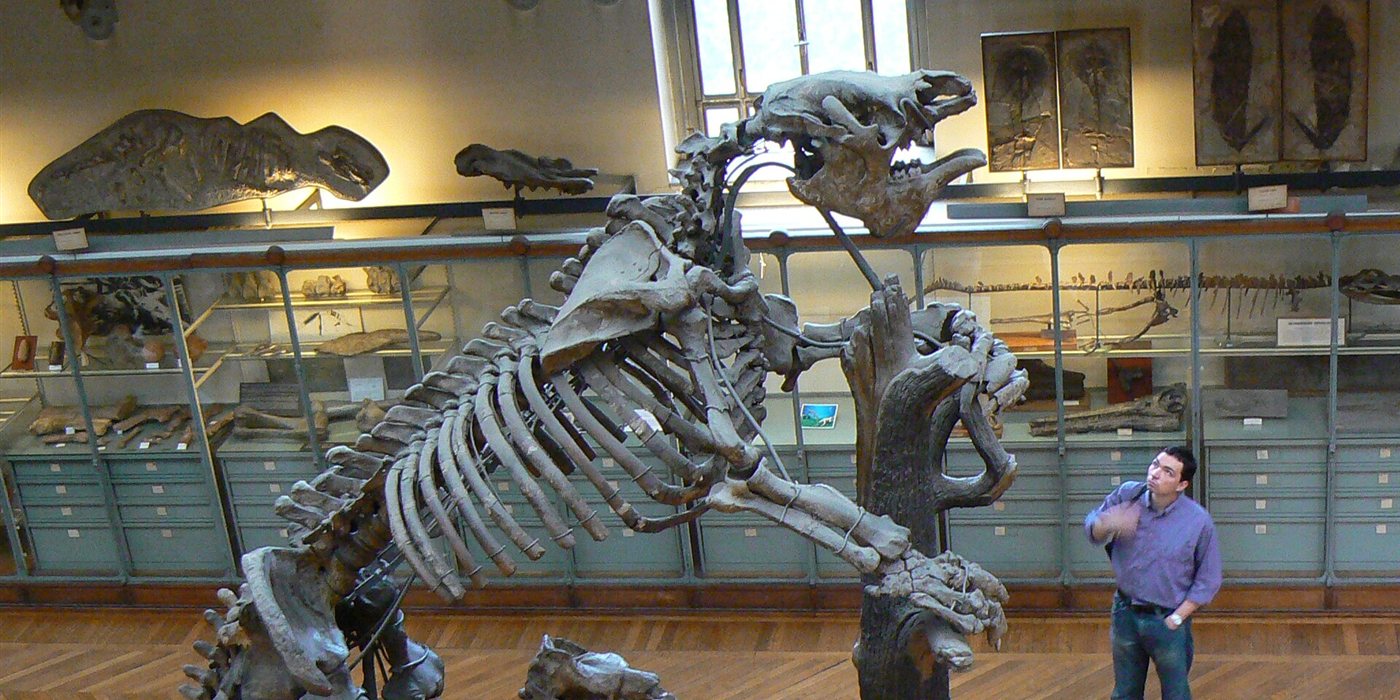
Avocados have one of the biggest seeds of any fruit we eat, and a leading theory says that is because they evolved to be swallowed by giant animals that no longer exist. According to the idea, giant ground sloths and elephant relatives once ate whole avocados and spread the seeds across the Americas. When those animals vanished about 13,000 years ago, the avocado lost its partners. Then humans stepped in, and that may be why avocados are still around. Here is the theory, what the evidence shows, and why the creamy avocado in your guacamole is a bit different from many older types.
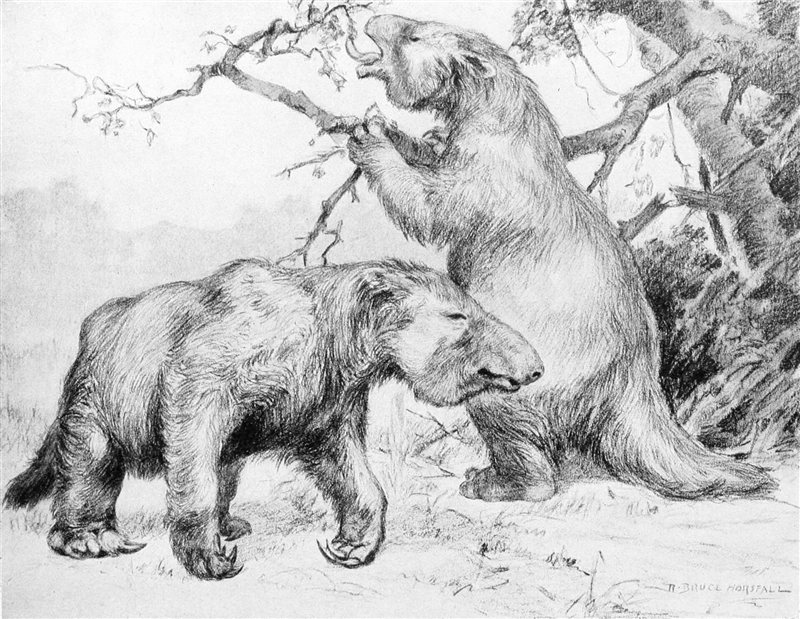
Why Do Avocados Have Such a Big Pit?
Most fruits have small seeds for a reason. Birds and other animals eat the fruit and swallow the little seeds along with it, then carry them away and drop them in their droppings, which plants the seeds far from the parent tree. An avocado's pit is much too big for a bird, or any small animal, to swallow. That leaves a puzzle: who was spreading avocado seeds across the land?
Avocados may have such a big pit because the fruit evolved to be eaten by very large animals. In 1982, ecologists Daniel Janzen and Paul Martin published a paper in Science called "Neotropical Anachronisms: The Fruits the Gomphotheres Ate." They had noticed that some tropical trees drop big fruits that simply rot under the tree, which makes little sense unless a large animal once swallowed them and carried the seeds away. Writer Connie Barlow explains in Arnoldia, the Arnold Arboretum's magazine, that Janzen and Martin identified about thirty Costa Rican trees and vines as likely examples, which she calls the "ghosts of evolution." She also points to a 1982 essay that called the avocado one of them, a fruit now spread mostly by humans.

Which Animals May Have Eaten Avocados?
The animals most often named as avocado eaters are giant mammals that died out at the end of the Ice Age. Barlow lists gomphotheres, which belonged to the elephant family, South American ground sloths, toxodons, and glyptodonts, along with mammoths and mastodons in North America. She says the big losses happened about 13,000 years ago, at the end of the Pleistocene. Seeds that pass through such an animal travel far from the parent tree, so a big, nutritious fruit with a big seed would have made sense for a giant sloth.

- Gomphotheresextinct relatives of elephants
- Giant ground slothshuge South American sloths, some as big as an elephant
- Toxodonsbig, hoofed mammals of South America
- Glyptodontsgiant armored relatives of armadillos
Is the Giant Sloth Theory Proven?
The giant sloth theory is a well-supported hypothesis, but it is not proven. Barlow notes in Arnoldia that most anachronism claims were largely untested, and that scientists tested them with indirect evidence such as the size and traits of the fruit and observations of horses and cattle eating fruits as stand-ins for the vanished animals. For the avocado, a 2025 study in the Proceedings of the National Academy of Sciences argues that avocados spread out of Mexico before people reached the Americas, which would make megafauna the main seed dispersers during the Ice Age. The same paper says that wild avocado dispersal fell after the extinctions. Another 2025 study, in Nature Ecology & Evolution, reports fossil evidence that an extinct South American elephant relative, Notiomastodon, ate fruit, and found that big-fruited plants face a higher risk of extinction in places that lack smaller animals to take over the job. That study is about big fruits in general, not avocados in particular. Barlow's Arnoldia article adds that wild elephants in Africa also spread avocados, which shows that big animals can do the job. Other animals may have helped too, so researchers still treat it as a theory.
How Did Humans Save the Avocado?
Humans took over the avocado's job very early. The 2025 PNAS study examined avocado remains from El Gigante rockshelter in western Honduras that span the last 11,000 years. The authors place the earliest use of avocados there between about 10,985 and 10,705 years ago. Over thousands of years, the pits and rinds grew larger, which they say reflects people selecting larger, more robust fruits. They also note that avocado trees may have been preadapted to domestication because they had already evolved partnerships with animals that spread their seeds. In other words, the avocado had lost its giant partners, but humans were an easy replacement.
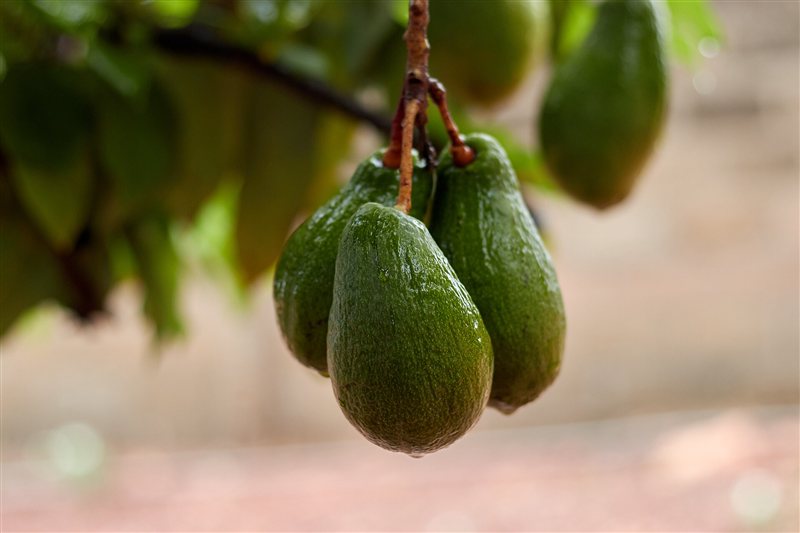
Why Is the Hass Avocado So Creamy?
The Hass avocado is creamy largely because of its oil-rich ancestry. Avocados come in three main types, called races, named for where they came from: West Indian, Guatemalan, and Mexican. The University of Florida's avocado guide rates their oil content very differently, and the types look different too, so you can often tell them apart by size and skin.
The Hass is a blend of two of these types. The 2019 avocado genome study reports that it has a mostly Mexican background, with about 39 percent of its genome coming from the Guatemalan race. Hass fruit is small, with dark, bumpy skin and a rich flavor.
The big, green avocados grown in Florida are a good example of the other end of the scale. The University of Florida guide says most early-season Florida varieties are West Indian types, while the mid-season and late varieties are mostly hybrids of West Indian and Guatemalan trees or Guatemalan types. A University of Florida expert told UF/IFAS News that Florida avocados are usually three times larger than Hass and have less fat. North Carolina State Extension adds that they are less dense with a higher water content, at about 9 grams of fat per 100 grams. So a big green Florida avocado tends to taste lighter and waterier than a Hass.
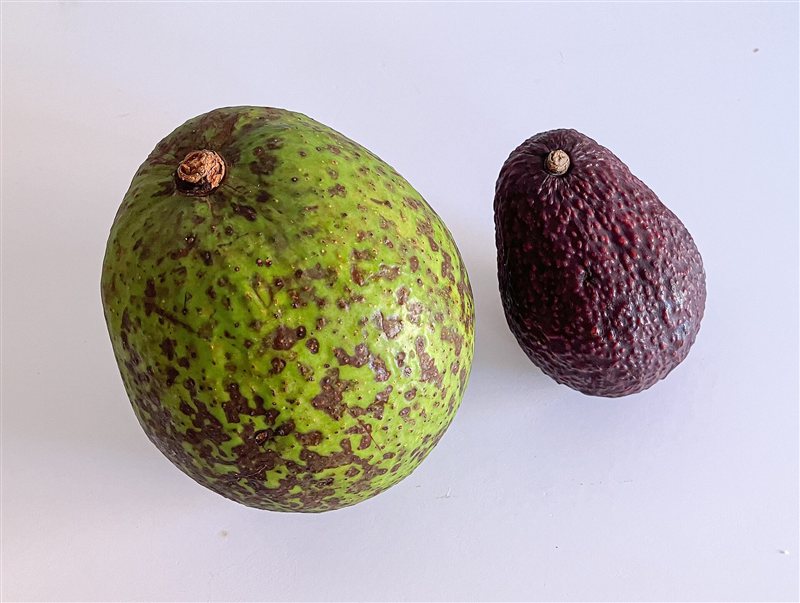
The Hass has an unusual origin story. According to the California Avocado Commission, postman Rudolph Hass bought a seed from a man named A. R. Rideout in the late 1920s and planted it, and he patented the variety in 1935. Nobody knows what variety the original seed came from. The tree died in 2002 at age 76 from root rot, and by then Hass descendants made up 95 percent of the avocados grown in California. The commission says that consumers preferred the Hass's richer, nuttier taste over the older Fuerte, which the Hass replaced as California's leading variety in the late 1970s.
Most avocados eaten in the United States are grown in Mexico. The U.S. Department of Agriculture's Economic Research Service reported in 2022 that imports supply about 90 percent of the U.S. market, and that Mexico supplied 88 percent of avocado imports from 2019 to 2021, with Peru next at 7 percent.
Is the Hass Avocado Good for You?
The Hass avocado is a nutritious plant food that is rich in healthy fats and fiber. USDA FoodData Central lists raw California avocados, which are almost all Hass, at about 15.4 grams of fat per 100 grams, and about two thirds of that fat is monounsaturated. The same entry lists 6.8 grams of fiber, 507 milligrams of potassium, and 8.6 grams of total carbohydrate.
Because avocados are a plant-based source of fat and fiber with few net carbohydrates, they fit easily into vegetarian, vegan, and low-carb or keto ways of eating. A hundred grams is about half of a medium avocado, so a whole avocado carries roughly double these amounts.
Which Other Fruits May Have Lost Their Partners?
Other fruits may be orphans too. Janzen and Martin suggested that several North American trees might also have been spread by giant animals, and Barlow's article names the osage orange, honey locust, Kentucky coffee tree, pawpaw, and persimmon as candidates. Researchers have also studied palms. A 2018 study in Proceedings of the Royal Society B found that losing giant fruit-eaters shortened seed dispersal distances for palms with very large fruits. Not every big fruit fits the pattern, though, since a 2019 study in Frontiers found parrots and other wild animals dispersing six large-fruited palms in Bolivia and Brazil.
Humans Became the Avocado's New Partner
The avocado may be an orphaned fruit, one whose giant partners disappeared thousands of years ago, but people adopted it and have grown it ever since. Every time you scoop out an avocado and set the big pit aside, you are carrying on a job that giant sloths may have started. If you enjoy stories about where our food really comes from, read about why bananas are clones, why vanilla is so expensive, and how citrus fruits descend from four ancient ancestors.
Header photo of the Megatherium skeleton by LadyofHats (public domain), giant sloth illustration by R. Bruce Horsfall (public domain), Hass avocado photo by Ivar Leidus (CC BY-SA 4.0), Cuvieronius illustration by DiBgd (CC BY-SA 4.0), avocado tree photo by Treysam (CC BY-SA 4.0), and avocado comparison photo by El Mono Español (CC BY-SA 4.0), all via Wikimedia Commons.