Why Today's Root Beer Isn't Like the Original
Root beer began as a homemade root tea brewed with sassafras bark. Follow it from a Philadelphia drugstore to A&W, and see what goes into a can of it now.

Few drinks taste as much like summer as a frosty mug of root beer with a scoop of vanilla ice cream melting into it. The root beer in a can today is a different drink from the one that gave it its name, though. The old recipes were built on the bark of the sassafras root, an ingredient commercial makers have been barred from using since 1960. Here is how root beer got its start, how it got its odd name, and what goes into it now.
What Was the Original Root Beer Made Of?
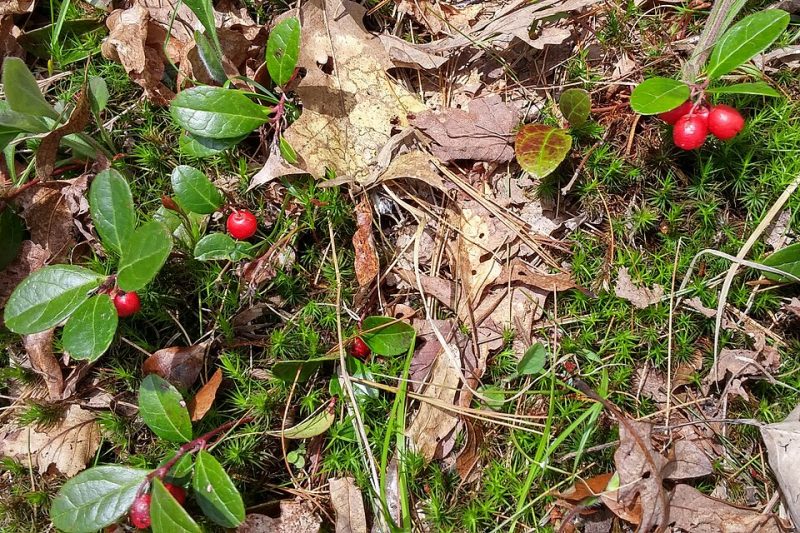
The original root beer was a homemade brew of roots, barks, and herbs. It grew out of the medicinal root teas made by Indigenous North Americans from fragrant leaves, roots, and barks. Sassafras, wintergreen, and sarsaparilla were favorites, and those three flavors went on to define commercial root beer.
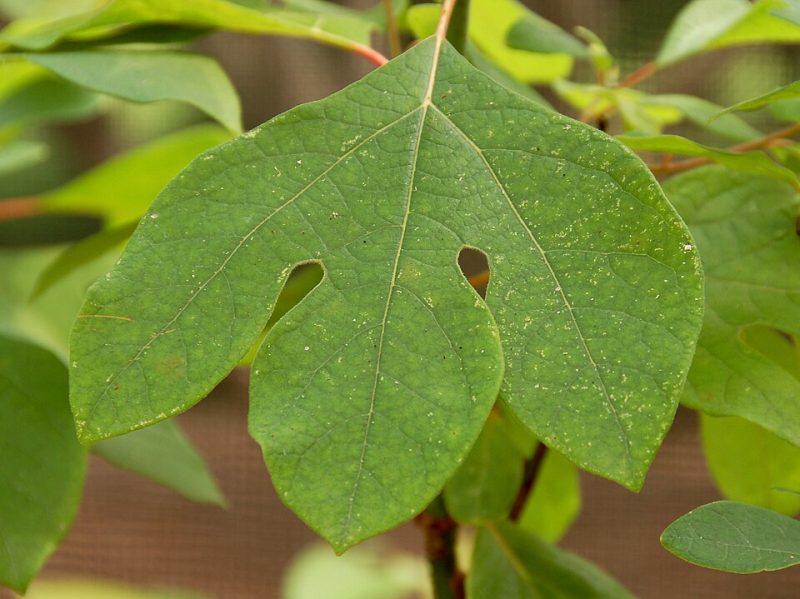
Sassafras is a native North American tree with leaves in three shapes, often on the same twig: an oval, a three-lobed leaf, and a two-lobed leaf that looks like a mitten. Its roots hold about 2 percent oil of sassafras, once the signature ingredient of root beer. Sassafras grows wild from Maine and Ontario south to Florida and Texas, and this map shows the counties where it has been recorded.
- Native range, county records
- Listed for the state, no county detail
USDA PLANTS lists sassafras as native to the lower 48. This is a documented range, not a guarantee that you will find it growing in your area. Data: USDA PLANTS. Basemap: OpenFreeMap, © OpenStreetMap contributors.
Sassafras was one of the first American plants to win fans in Europe. In the early 1600s, English ships sailed the New England coast in search of sassafras, and in England its bark was brewed into a drink called saloop.
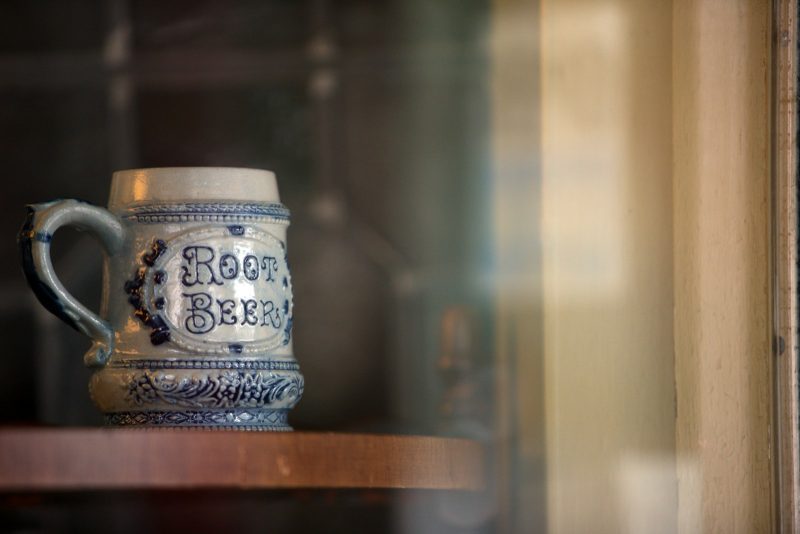
Early American root beers were brewed in home kitchens, and every family seemed to have its own recipe. Cooks simmered plant extracts with a sweetener, often molasses, into a syrup, then added water and a little yeast and let it ferment, so early root beers usually held a small amount of alcohol. By the 1840s, root beer was showing up in general stores, bottled in stoneware and sold as a tonic.
Old root beer recipes drew on a long list of roots, barks, and herbs. This card shows the botanicals that went into those early brews.
- Sassafras root barkthe signature flavor
- Wintergreena cool, minty lift
- Sarsaparillaan earthy vine root
- Birch barksweet, like wintergreen
- Licorice roota sweet anise note
- Gingera warm bite
- Vanillaa smooth finish
- Burdock and dandelion rootearthy depth
- Molassesthe usual sweetener, plus yeast for the fizz
Jethro Kloss was a fan of these flavors. In Back to Eden, a 1939 handbook of natural remedies (paperback, Kindle), Kloss wrote that birch bark tastes much like wintergreen and that he used to gather it with wintergreen and spikenard to make a health drink, adding that birch "is used in making root beer." He also called sassafras a spring medicine and wrote that he liked sassafras tea.
Why Is It Called Root Beer?
Root beer got its name from Charles Elmer Hires, a Philadelphia pharmacist. In 1875, Hires blended sarsaparilla, sassafras, wild cherry, wintergreen, and ginger and sold it from his drugstore at Sixth and Spruce streets. He first called it root tea.
Hires's friend Russell Conwell, the founder of Temple University, talked him into calling the drink a beer instead, since tea would not appeal to working men. Hires introduced the name to win over coal miners, and he liked to say the recipe came from an innkeeper who brewed root tea for him and his wife on their honeymoon.
The word "beer" was a little ironic, since Hires never drank alcohol. A Quaker, he marketed root beer as "the temperance drink" at a time when the movement against alcohol was growing, though the name still drew the ire of the Woman's Christian Temperance Union.
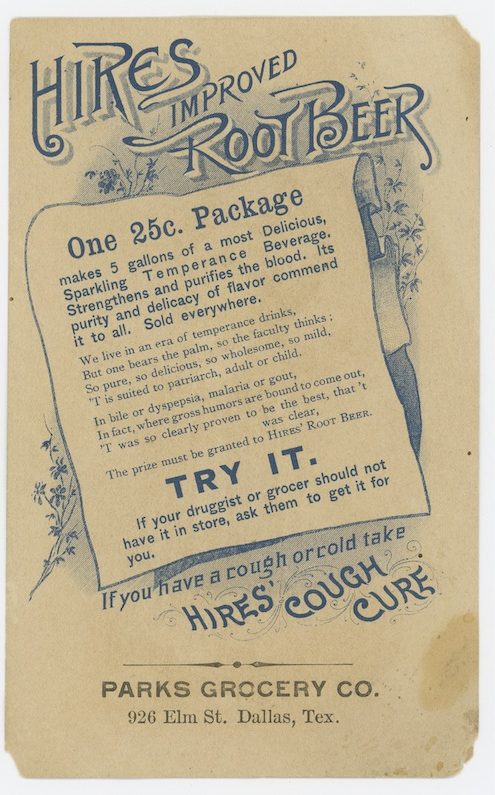
Hires introduced his root beer at the 1876 Centennial Exhibition in Philadelphia, where he handed out free glasses and sold packets of his powder. Each 25-cent packet made five gallons of root beer at home, and the business grew fast.
How Root Beer Took Over America
Root beer rivals followed Hires quickly. Edward Barq began bottling his root beer in Biloxi, Mississippi, in 1897, and root beer's popularity exploded during Prohibition.
A&W began as a roadside stand. Roy W. Allen opened his first root beer stand in Lodi, California, on June 20, 1919, on a hot night when the town was celebrating the homecoming of its World War I soldiers. Around 1922, Allen teamed up with Frank Wright, and the two combined their initials into the name A&W. That same year, IBC root beer went on sale in St. Louis.
Barq's, A&W, and IBC are still root beer favorites today. This timeline marks the big moments in root beer's long run from a drugstore counter to the soda aisle.
- 1840sroot beer appears in stores, bottled in stoneware
- 1875Charles Hires mixes his root tea in Philadelphia
- 1876Hires debuts "root beer" at the Centennial Exhibition
- 1897Edward Barq starts bottling in Biloxi
- 1919A&W opens in Lodi, and IBC launches in St. Louis
- 1960the FDA bars safrole and oil of sassafras from food
Why Did Root Beer Lose Its Sassafras?
Root beer lost its sassafras in 1960. Effective November 30 of that year, the Food and Drug Administration stopped allowing safrole and oil of sassafras in food, after its lab studies found that safrole, the main compound in sassafras oil, caused cancer in test animals.
The safrole findings came from feeding rats high doses, and later studies did not find the same effect in people. Safrole also turns up naturally in spices such as nutmeg, the same nutmeg grated over a cup of holiday eggnog.
The 1960 rule still stands, so no commercial root beer can be made with the real sassafras oil of the 1800s. Federal rules do allow a safrole-free sassafras extract, made from the root bark with the safrole removed, as a flavoring, and that extract keeps a hint of the old taste alive.
How Is Root Beer Made Today?
Today's mass-produced root beer is usually a mix of carbonated water, high-fructose corn syrup or sugar, caramel color, and small amounts of natural and artificial flavorings. After 1960, most producers switched to safrole-free sassafras extract, and each brand has its own twist, such as gum acacia in Barq's and quillaia in IBC. Barq's also stands out as one of the few root beers with caffeine.
Many big root beer brands now skip sassafras and wintergreen entirely and rely on artificial flavors instead. The fizz comes from carbonated water rather than yeast. This comparison shows how an old-fashioned root beer stacks up against one from the soda aisle.
Brew a Fizzy Batch at Home
The closest thing to old-fashioned root beer is a batch you brew yourself. Home brewers still make root beer the old way, mixing a root beer extract with sugar and water, adding a pinch of yeast, and letting the bottles build their own fizz. Chill it, pour it over a scoop of vanilla ice cream, and taste a little of the drink that won over Philadelphia in 1876.
For more food history, read about the graham cracker's forgotten health food past, how Spam became a pop culture icon, why vanilla is so expensive, and the pawpaw, another native treasure.
Header photo of a root beer float by American Heritage Chocolate on Unsplash, stoneware mug photo by David Trinks on Unsplash, sassafras leaf photo by Derek Ramsey (GFDL 1.2), wintergreen photo by Kristof Zyskowski and Yulia Bereshpolova (CC BY 2.0), and Hires trade card from SMU Central University Libraries (no known restrictions), via Wikimedia Commons.