How Eggnog Became a Christmas Staple, Spices and All
Eggnog started as a medieval posset. See how it became a Christmas tradition, what spices flavor it, and how to make it at home safely.
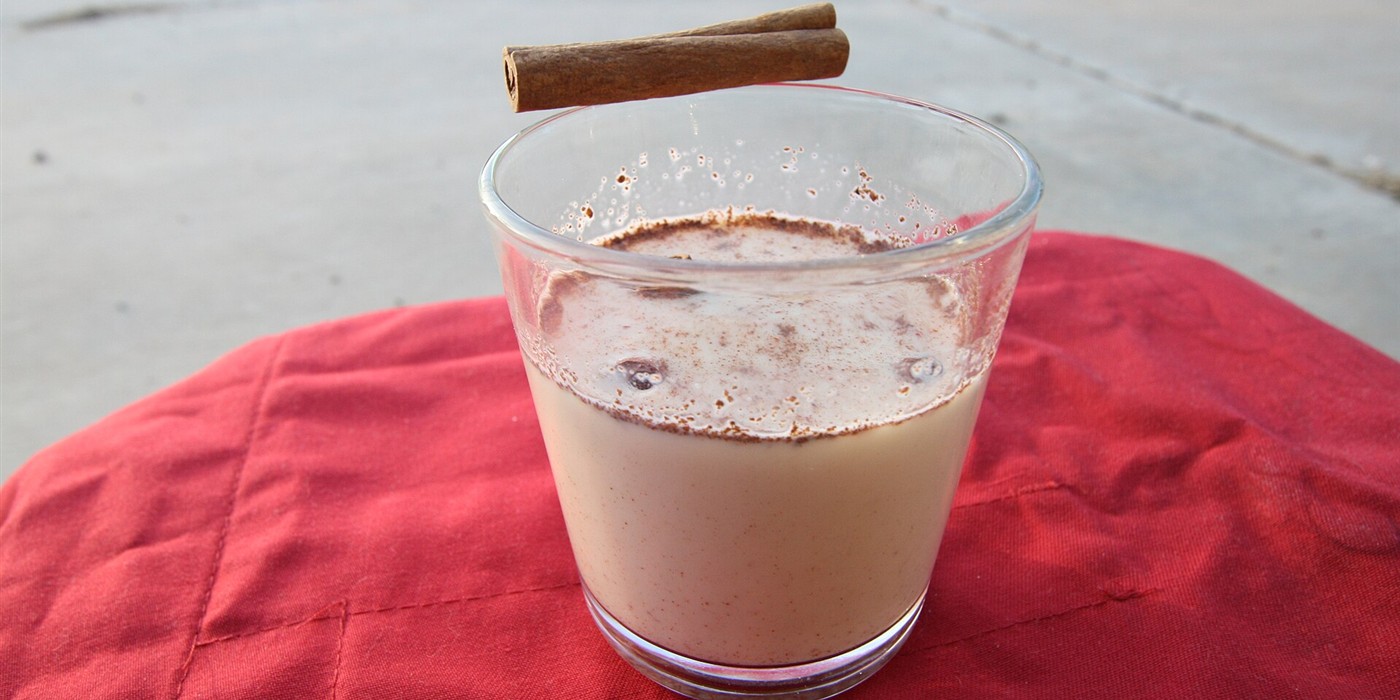
Few drinks say Christmas like a cold glass of creamy, nutmeg-dusted eggnog. It is also one of the oldest holiday traditions in the kitchen, with roots in a medieval English drink and a long career as a party favorite in colonial America. Here is where eggnog came from, how it became a Christmas staple, which spices give it its flavor, and how to make your own at home.
Where Did Eggnog Come From?
Eggnog most likely began in the British Isles as a hot milk-and-egg drink called posset. Britannica says the origin of the drink was likely a monastic holiday beverage called posset, made of milk and eggs and usually laced with ale, wine, or barleywine, and that it is first attested in medieval England in the 14th century. According to PBS Food's history of eggnog by Tori Avey, the Oxford English Dictionary describes posset as hot milk curdled with ale or wine and "sweetened and spiced." Because milk, eggs, and sherry were expensive, it was mostly a drink for the wealthy, often used to toast good health and prosperity.
How Did Eggnog Get Its Name?
The name "eggnog" probably comes from an old word for a cup. Britannica explains that a noggin is a cup in Scottish and Irish Gaelic, and that in early modern English the word came to mean a small quantity of alcohol, so both senses fit eggnog. PBS Food's history of eggnog adds that "nog" may also come from a Norfolk word for strong ale. The full word "eggnog" first appeared in Britain's North American colonies in 1775, according to Britannica, and a 1799 travel book by Isaac Weld, quoted by PBS Food, describes egg-nog as a mixture of new milk, eggs, rum, and sugar.
Why Did Eggnog Take Off in America?
Eggnog took off in America because its ingredients were plentiful and affordable there. Britannica says the early popularity of eggnog in the United States can probably be explained by the fact that its ingredients were more abundant and less expensive than in the British Isles. PBS Food's history of eggnog adds that family farms supplied milk and eggs, while sherry and Madeira were scarce, so colonists switched first to whisky and then to rum, which was cheaper and easier to find.
George Washington is often linked to the drink. Britannica says Washington served eggnog to family and guests at Mount Vernon during the Christmas holidays. The widely shared "Washington eggnog recipe," however, is another story. The Old Farmer's Almanac reports that Mount Vernon's librarians say no eggnog recipe has been definitively linked to Washington, so the famous recipe may not be his.
Why Is Eggnog a Christmas Drink?
Eggnog became a Christmas drink because it was a special-occasion treat made from rich ingredients. Britannica says eggnog is typically served during the Christmas and New Year's holidays, and that the use of "luxury" ingredients such as cream and alcohol was thought to invite prosperity into the household for the coming year. By the 19th century, PBS Food's history of eggnog says, the drink was firmly tied to the holiday season.
One famous story shows how common it had become. Britannica notes that eggnog was widespread by Christmas 1826, when cadets at the United States Military Academy at West Point rioted over rules that banned alcohol on campus, and the episode became known as the Eggnog Riot. The drink even travels well around the world. In Australia and New Zealand, where Christmas falls at the start of summer, Britannica says eggnog is served chilled.
What Spices Give Eggnog Its Flavor?
Nutmeg is the signature spice in eggnog, with cinnamon close behind. Britannica's article on nutmeg describes the spice as having a distinctive pungent fragrance and a warm, slightly sweet taste, and it names eggnog among the drinks it flavors. Britannica's eggnog article pictures the drink with its classic ingredients: eggs, nutmeg, and cinnamon.
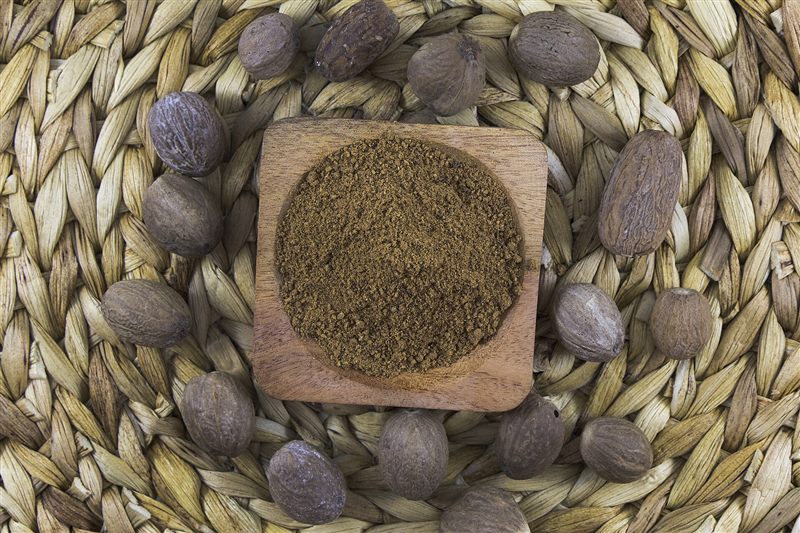
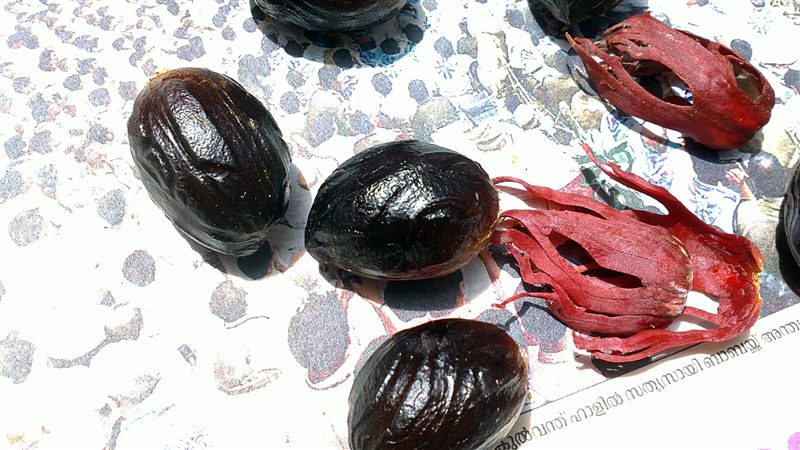
Nutmeg has a surprising backstory. Britannica says the tree is native to the Moluccas, or Spice Islands, of Indonesia, and that around 1600 nutmeg became an expensive spice in the Western world, which led to Dutch plots to keep prices high and English and French plots to obtain fertile seeds. Nutmeg trees yield fruit eight years after sowing and can keep bearing for 60 years or longer. The same fruit also gives us a second spice, because the red covering around the nutmeg seed is mace.
Cinnamon rounds out the flavor. Most cinnamon in American spice racks is actually cassia, a bolder cousin of true Ceylon cinnamon, and we explain the difference in our guide to Ceylon cinnamon and cassia. If you like a splash of vanilla, see why real vanilla is so expensive. For more spice history, read how black, white, and green peppercorns come from one vine.
Do People Make Their Own Eggnog?
Yes, homemade eggnog is a tradition in many families. A consumer column by FDA staff, republished by Food Safety News, notes that homemade eggnog is a tradition in many families during the holiday season, and that eggs give the drink its characteristic frothy texture. The easy way to make it safely is to start with a cooked egg base, which also gives you a smooth, custard-like drink.
- Combinethe eggs and half the milk, and add the sugar
- Cook gentlyto 160 degrees Fahrenheit, stirring constantly
- Chillthe mixture in the refrigerator
- Finishby adding the rest of the milk and your other ingredients
- Flavor itwith grated nutmeg and cinnamon, plus a splash of vanilla or a little liquor if you like
The FDA staff column recommends this cooked base especially when you are serving young children, older adults, pregnant women, or anyone with a weakened immune system, and it says you cannot count on alcohol to kill bacteria in raw eggs. It also suggests pasteurized eggs or egg substitutes as options, though it says both the FDA and USDA still recommend starting with a cooked egg base.
What About Store-Bought Eggnog?
Store-bought eggnog has to meet a federal definition. Under the FDA's standard for eggnog in the Code of Federal Regulations, a product sold as eggnog must contain at least 6 percent milkfat and at least 8.25 percent milk solids not fat, and egg yolk solids must make up at least 1 percent of the finished food by weight. The standard also says eggnog must be pasteurized or ultra-pasteurized, and that flavorings can be added after pasteurizing. The standard lists dairy ingredients, egg yolk ingredients, sweeteners, and a few optional ingredients such as salt, flavorings, and stabilizers, and alcohol is not on the list. In other words, the eggnog you buy in the dairy case at the store is not alcoholic, so it works for the whole family. If you want a spiked glass, you add the rum, brandy, or bourbon yourself, just as the traditional recipes did, which makes a carton a handy shortcut when you do not want to cook a custard.
A Holiday Drink Worth Raising a Glass To
Eggnog has gone from a medieval hot posset to the creamy, spiced glass we pour at Christmas, and it has been a holiday favorite in America for more than two centuries. Whether you grab a carton or cook your own custard base, a grating of fresh nutmeg and a stick of cinnamon bring the whole tradition to the cup.
Header photo of eggnog by Wheeler Cowperthwaite (CC BY 2.0, cropped), whole and ground nutmeg photo by Herusutimbul (CC BY-SA 4.0), and nutmeg and mace photo by Sailesh (CC BY-SA 3.0), all via Wikimedia Commons.