Is Your Cinnamon the Real Thing? Ceylon vs. Cassia
Most cinnamon in US spice racks is cassia, not true Ceylon cinnamon. Learn how to tell them apart, how they taste, and when Ceylon is worth it.
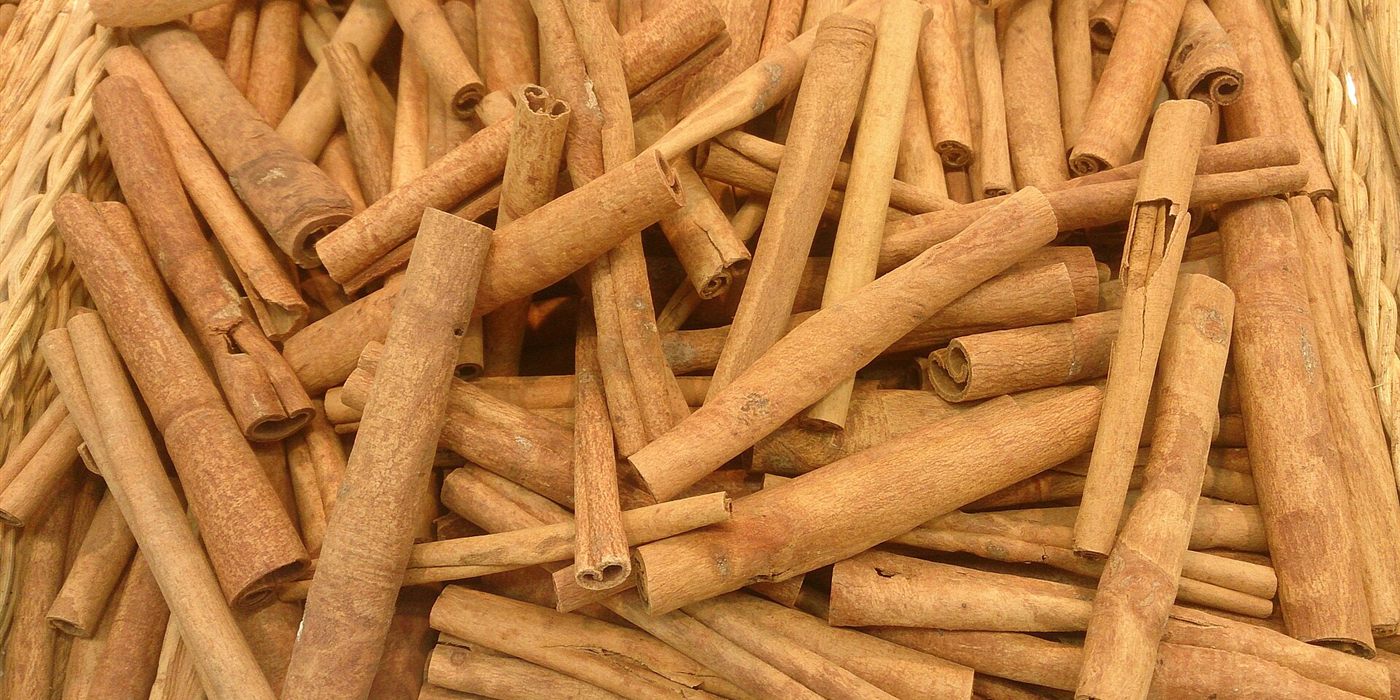
The cinnamon in most American spice racks is not the cinnamon of the history books. It is cassia, a close cousin with a bolder flavor and a thicker bark, and true Ceylon cinnamon is a different, more delicate spice. Here is how to tell them apart, what each one tastes like, and when it is worth choosing Ceylon.
Is the Cinnamon in Your Spice Rack Really Cinnamon?
Most of the cinnamon sold in the United States is actually cassia. The National Institutes of Health's National Center for Complementary and Integrative Health says cassia is the most common type sold in North America, while Ceylon cinnamon, often called "true" cinnamon, grows mainly in Sri Lanka. Britannica adds that ground cinnamon in North America is commonly sold without any distinction as to which species the bark came from. In other words, a jar labeled "cinnamon" can be either one, and the label rarely says which.
The two spices are close relatives. Both come from the bark of trees in the genus Cinnamomum, in the laurel family, according to Britannica. True cinnamon is Cinnamomum verum, and the cassia group includes several species grown in different countries.
Can Cassia Legally Be Sold as Cinnamon?
Yes, cassia can be sold simply as cinnamon in the United States. The Food and Drug Administration has no formal standard of identity for spices, and its spice definitions guidance lists "Cinnamon (Cassia)" as the dried bark of Ceylon cinnamon, Chinese cinnamon (cassia), or Saigon cinnamon. That means a label that says only "cinnamon" is acceptable whichever of the three is in the jar. A brand that uses true Ceylon cinnamon can say so on the label, and many do. Because the rules do not require a brand to say which kind it is selling, it is up to you as the shopper to read the label and look for the specific spice you want, such as "Ceylon cinnamon" or Cinnamomum verum.
What Is Ceylon Cinnamon?
Ceylon cinnamon is the spice made from the thin inner bark of Cinnamomum verum, a bushy evergreen tree native to Sri Lanka (formerly Ceylon), the neighboring Malabar Coast of India, and Myanmar. Britannica describes the spice as reddish brown to brown, with a delicately fragrant aroma and a warm, sweet taste. Growers cut the shoots close to the ground, scrape them, loosen the bark with a brass rod, and peel it. The peels are then telescoped one inside another into a quill about 107 centimeters (42 inches) long, dried, and sorted into grades.

That hand-rolled construction is why a Ceylon stick looks different from a cassia stick, as the comparison in the next section shows.
How Is Cassia Different?
Cassia is a thicker, more pungent bark from related trees, and it is the bolder of the two spices. Britannica says cassia bark has a more pungent, less delicate flavor than true cinnamon and is thicker. It contains 1 to 2 percent volatile oil, compared with 0.5 to 1 percent in true cinnamon, and the main flavor compound in both is cinnamic aldehyde, which is why they smell alike.
Several species are sold as cassia. Britannica lists Chinese cassia (Cinnamomum cassia), Vietnamese or Saigon cinnamon (C. loureiroi), and Indonesian cinnamon (C. burmannii), and it notes that the Vietnamese and Indonesian types are more aromatic than the Chinese one. Chinese cassia is also one of the five spices in Chinese five-spice powder.

How Can You Tell Which One You Have?
The easiest way to tell Ceylon from cassia is to look at the end of a cinnamon stick. Germany's Federal Institute for Risk Assessment, the BfR, explains that a Ceylon stick looks like a cut cigar, with several fine, rolled-up layers packed densely together, while a cassia stick has a relatively thick outer layer that forms a small roll.
Ground cinnamon is harder to judge, because the BfR notes that powders are hardly distinguishable by sight. For powder, the practical check is the label. If the jar says "Ceylon cinnamon" or Cinnamomum verum, that is what you have. If it simply says "cinnamon," it is most likely cassia.
Price is another clue for ground cinnamon, which is the form most shoppers buy. Plain cassia cinnamon is the budget option, and a small store-brand jar at Walmart can cost around a dollar. Ground Ceylon cinnamon usually costs noticeably more per ounce, so a very cheap jar that only says "cinnamon" is almost certainly cassia. Prices vary by store and brand, so check the label and the unit price before you buy.

Which Cinnamon Is Better for Everyday Use?
For everyday baking and sprinkling, either one works well, and the choice comes down to flavor. Cassia gives the strong, spicy cinnamon taste most Americans grew up with, which suits cinnamon rolls, snickerdoodles, and hot cider. Ceylon is gentler and sweeter, so it suits custards, rice pudding, fruit, and drinks where you want cinnamon to stay in the background.
The main practical difference is coumarin, a natural compound that is much more plentiful in cassia. The BfR's assessment of cassia gives a tolerable daily intake of 0.1 milligram of coumarin per kilogram of body weight, and it estimates that a 60-kilogram adult reaches that level with about 2 grams of cassia cinnamon a day. Ceylon cinnamon has only low levels of coumarin. The BfR therefore suggests that people who eat cinnamon often and in large amounts choose Ceylon. The National Center for Complementary and Integrative Health adds that typical cassia use usually does not contain enough coumarin to cause major problems. So a dash on your oatmeal is fine, and Ceylon is a nice upgrade for a daily habit.
Why Was Cinnamon Once Worth More Than Gold?
Cinnamon was once one of the most valuable goods in the world. Britannica says cinnamon was once more valuable than gold, that Egyptians sought it for embalming and religious practices, and that it later became the most profitable spice in the Dutch East India Company's trade. Those stories are about true cinnamon, which is part of why Ceylon cinnamon has such a strong reputation today. For more spice history, read how black, white, and green peppercorns come from one vine and why vanilla is so expensive.
Keep Cassia for Baking and Ceylon for Every Day
Cassia and Ceylon are both real cinnamon bark, and each has a job in the kitchen. Cassia is the bold choice for cookies, rolls, and spice blends. Ceylon is the delicate, low-coumarin choice for daily sprinkling and for recipes where subtle flavor matters. Check the end of the stick or the label, and you will know which one you are cooking with.
Header photo of cinnamon sticks by ProjectManhattan (CC BY-SA 3.0), cinnamon stick comparison photo by Antti Vähä-Sipilä (CC BY-SA 1.0 FI), Sri Lanka cinnamon grove photo by Curved.kiwix, cropped (CC BY-SA 4.0), and Saigon cinnamon photo by Badagnani (CC BY 3.0), all via Wikimedia Commons.