The Graham Cracker's Forgotten Health Food Past
Before Honey Maid and s'mores, the graham was a plain whole wheat cracker for a strict diet. Meet the reformer behind it and see how it turned sweet.

The graham cracker is the friendliest thing in the snack aisle. It holds up a s'more, it turns into a pie crust, and it shows up in lunchboxes everywhere. It is hard to believe it began as a stern health food from a traveling preacher who wanted Americans to eat plain, coarse, unsweetened wheat. Here is the story of Sylvester Graham, his flour and his cracker, and how a famously bland food turned into a honey-sweet treat.
Who Invented Graham Crackers?
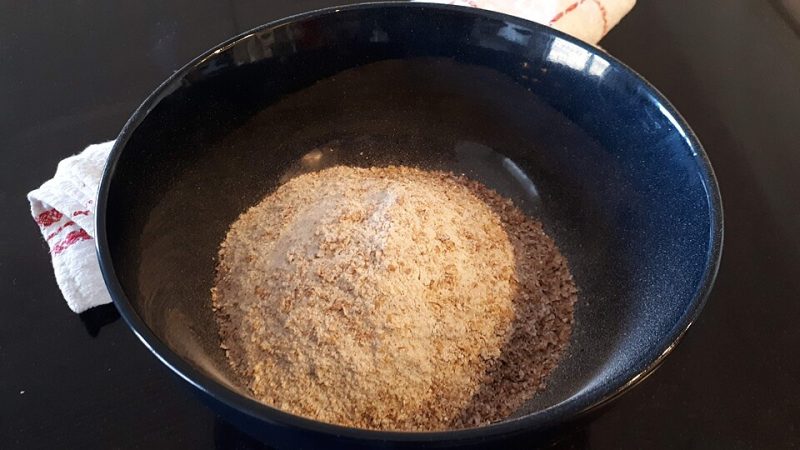
Graham crackers are named for Sylvester Graham, a 19th-century minister and health reformer who developed the first one in 1829. He created the cracker to go with his "Graham Diet" of fresh fruit and vegetables, whole wheat bread, rough cereals, and fiber-rich foods. The original was made from unsifted, coarsely ground whole wheat flour and baked without fat or refined sugar, something like a bran saltine without the salt.
Who Was Sylvester Graham?
Sylvester Graham was a Connecticut-born preacher often called the father of vegetarianism. He was born in West Suffield in 1794, was ordained as a Presbyterian minister in 1826, and became a strong supporter of the temperance movement. He lectured widely on diet, disease, and hygiene, and he urged people to give up alcohol, tobacco, coffee, and tea in favor of whole grains and fresh produce.
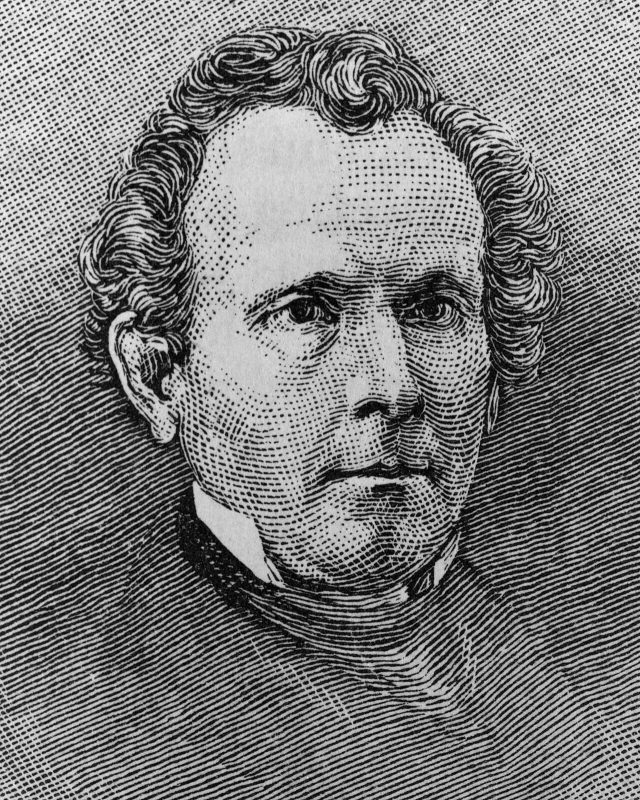
Graham's advice mixed sensible habits with ideas that sound strange today. He believed rich food stirred up physical desire, which he blamed for all sorts of illnesses, so he told followers to skip meat, fats, spices, and condiments. He also preached regular exercise, loose clothing, fresh air, frequent bathing, and plenty of water.
Graham's followers, known as Grahamites, spread his ideas across the Northeast and even opened Graham restaurants and boardinghouses in New York and Boston. Not everyone was a fan. Boston grocers rioted against him at a hotel in 1837, and Ralph Waldo Emerson nicknamed him "the poet of bran and pumpkins."
Why Did Graham Think Whole Wheat Was So Important?
Sylvester Graham believed bread should be made from the whole wheat kernel, bran and all. His crackers were unbleached, unsweetened, and made from whole wheat, a sharp contrast to the refined white flour sold by commercial bakers. Graham saw plain, wholesome food as the foundation of good health, and his coarse flour became known as graham flour, a name it still carries.
Graham never patented his cracker or his flour, and that opened the door for everyone else. With no brand or patent to stop them, other bakers adjusted the recipe as they pleased. Graham himself never got rich from his products or his ideas.
How Did Graham Crackers Become Sweet?
Graham crackers grew sweeter step by step as bakers made them their own. This timeline shows how a plain health food became a sweet snack.
- 1829Sylvester Graham develops a plain whole wheat cracker
- 1881a baking book suggests a sweeter, softer recipe with lard and molasses
- 1898the National Biscuit Company begins mass-producing graham crackers
- 1925Honey Maid arrives, a much sweeter graham made with honey
The sweet turn for graham crackers began in print. J. Thompson Gill's 1881 book The Complete Bread, Cake and Cracker Baker offered a sweeter, softer graham cracker made with lard and molasses. The National Biscuit Company, now Nabisco, began mass-producing graham crackers in 1898.
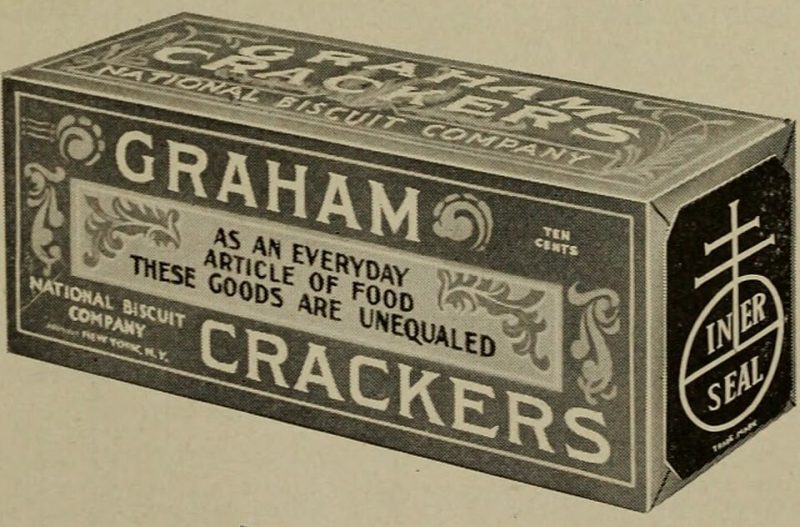
Honey Maid made the graham cracker a treat. The brand was introduced in 1925 by the Pacific Coast Biscuit Company of Seattle and later became part of the National Biscuit Company. It offered a much sweeter take on Graham's original idea.
How Is Today's Graham Cracker Different?
Today's graham cracker would probably surprise the man whose name it carries. Here is how the original cracker and a typical modern one compare.
Some graham crackers have drifted back toward their roots, and Honey Maid's maker describes its grahams as made with whole grain and real honey. Health-minded readers kept the cracker in good standing, too. Jethro Kloss's 1939 handbook of natural remedies, Back to Eden (paperback | Kindle), lists graham crackers among the foods in a nourishing diet, alongside oatmeal, brown rice, and dates.
When Did Graham Crackers Meet S'mores?
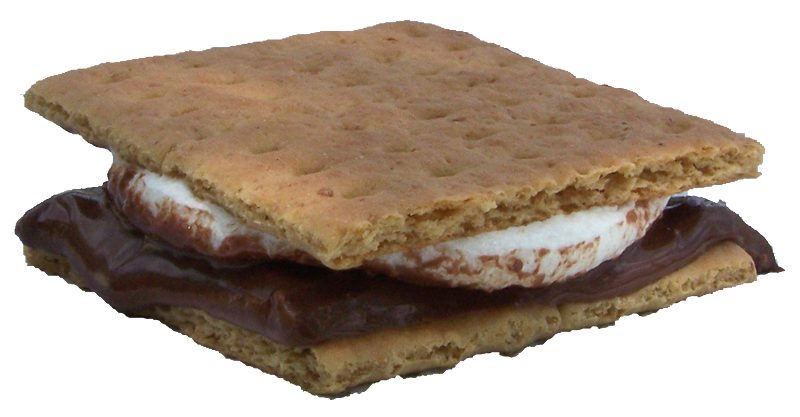
Graham crackers found their most famous job around a campfire in the 1920s. National Geographic reports that Girl Scout leader Dorothy "Cookie" Moore published a recipe called "Somemore" in the May 1925 issue of The Girl Scout Leader, calling for 16 graham crackers, 4 Hershey bars, and 16 marshmallows.
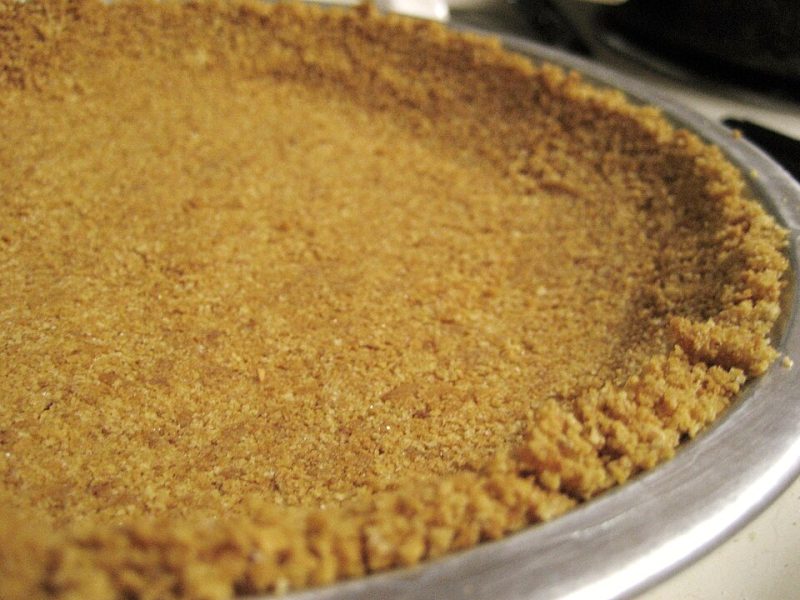
Graham crackers also make one of the easiest pie crusts around. Crushed grahams mixed with melted butter form the classic crust for cheesecake and key lime pie. For a taste of that, read about Publix key lime pie in the Florida Keys. For more food history, see the life and legacy of nutritionist Paul Bragg, another health pioneer with a famous name, and the chocolate that isn't really chocolate.
Thank a Preacher for Your Next S'more
The graham cracker started as a plain loaf of good intentions and became one of the most beloved snacks in America. Sylvester Graham might not recognize the honey-sweet version in today's box, but his name is still on it nearly two centuries later. Next time you stack one with chocolate and a toasted marshmallow, you are enjoying a little piece of food history.
Header photo of Nabisco graham crackers by Evan-Amos (public domain), Sylvester Graham engraving from the Library of Congress (public domain), graham flour photo by Magnussoder (CC BY-SA 4.0), 1915 National Biscuit Company illustration via the Internet Archive (no known copyright restrictions), s'more photo by Larry D. Moore (CC BY 4.0), and crust photo by little blue hen (CC BY 2.0), all via Wikimedia Commons.