From Spice Rack to Pharmacy: 5 Things to Know About Capsaicin
The compound that makes cayenne hot is also in a prescription nerve pain treatment advertised on TV. Here is how capsaicin works, what the patch is, and what over-the-counter products can and cannot do.

If you have heard the word "capsaicin" in a commercial or seen it on a drugstore shelf, you may be wondering whether it is the same compound that makes cayenne peppers hot. Yes, it is the same. Capsaicin has traveled from the spice rack to the pharmacy. It is the active ingredient in a prescription nerve pain treatment advertised on television, and in creams and patches sold over the counter. That may surprise some people, but herbalists have relied on cayenne for generations. Here are five things to know about it.
1) Capsaicin Is the Heat in Chili Peppers
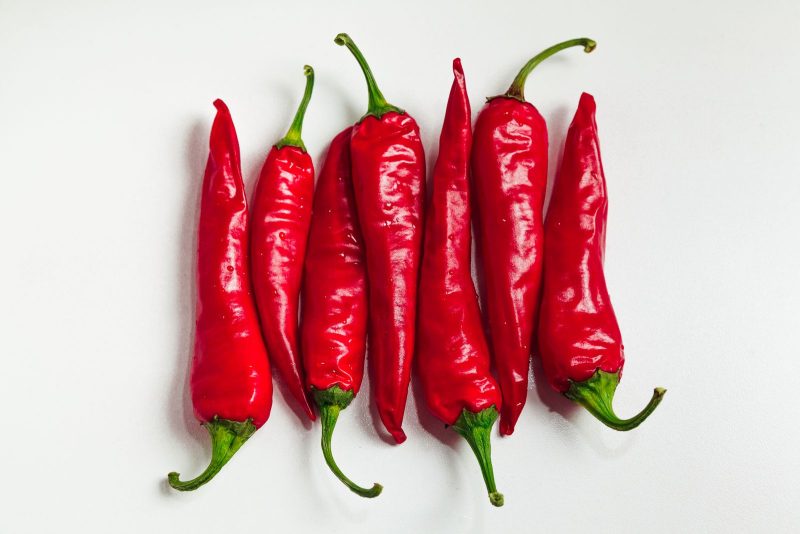
Capsaicin is the compound that gives chili peppers, including cayenne, their burn. Cayenne and other chilies come from the Americas, and researchers trace the domesticated chili pepper to Mexico, where people have grown and eaten them for thousands of years. When you bite into a hot pepper, capsaicin triggers pain-sensing nerves, and your brain reads the signal as heat.
There is some irony in that. Capsaicin is thought to be the pepper plant's defense, a way to discourage mammals from eating its fruits and chewing up its seeds. In a 2001 study in Nature, rodents avoided spicy wild chilies, while birds ate them. Birds do not feel the burn, so they eat the peppers and spread the seeds. Humans took the very trait that was meant to keep animals away and made it the reason to grow the plant.
2) Herbalists Used Cayenne for Centuries
Cayenne has a long place in herbal medicine. In the early nineteenth century, Samuel Thomson (1769 to 1843) built a popular herbal system on the idea that disease came from cold, so recovery meant restoring the body's natural warmth. According to the Becker Medical Library at Washington University, cayenne was a stimulant in that system, used to keep up the body's "vital heat" and promote sweating, and it turned up in hot drinks for colds. Thomson also promoted lobelia heavily. Not every claim held up. As Undark notes, Thomson said cayenne and lobelia could relieve minor complaints and even cure cancer, and none of his remedies were new to medicine. His system faded, but cayenne stayed in the herbalist's cabinet. Today the pepper is still sold as a warming spice and supplement.
3) How Capsaicin Relieves Pain
Here is the surprising part. The same compound that makes you feel burning can reduce pain when it is applied to the skin. Capsaicin activates a receptor on pain-sensing nerves called TRPV1, which causes a burning or stinging sensation at first. With repeated or strong exposure, those nerve endings become less responsive, and pain signals from the area fade. The FDA's label for the prescription patch describes this pattern as an initial stimulation followed by relief.
4) What the TV Commercials Are Advertising
If you have seen a TV ad that mentions capsaicin, it was most likely for Qutenza, a prescription capsaicin 8% patch from Averitas Pharma. The FDA first approved it in 2009 for nerve pain that lingers after shingles, then in 2020 for nerve pain from diabetic peripheral neuropathy in the feet. According to the company:
- A healthcare provider applies it in the office, during a visit of about 30 minutes, so it is not a patch you pick up and wear at home.
- It can be repeated no more often than every three months, up to four times a year.
- The company says relief can last up to three months. In a study it cites, pain fell 30% from baseline, compared with 22% for the placebo patch.
- Common side effects are redness, pain, or itching where it is applied. More serious risks include severe irritation and a rise in blood pressure during or right after treatment.
The results are modest, but for people with painful diabetic neuropathy, an option that is not an opioid or a daily pill is a welcome one. You can read more in the FDA's prescribing label. The ad itself is described on iSpot.tv.
5) Weaker Versions Are Sold Over the Counter
Pharmacies also sell capsaicin creams and patches at low strengths, typically 0.025% to 0.075%. A review in the British Journal of Anaesthesia describes modest benefit from low-concentration products, which require repeated daily use. Expect burning or stinging at first, and give it a few weeks before judging. A few tips if you try one:
- Wash your hands thoroughly after applying, and keep the product away from your eyes and any broken skin.
- Do not use heat, such as a heating pad, on the area, and do not wrap it tightly.
- Test a small patch first, since some people find it too intense.
What Capsaicin Can't Do
Capsaicin is a good example of a traditional remedy that science has partly confirmed, but only for a specific use. Its best-supported benefit is as a topical pain reliever. The evidence is much weaker for the old claims about cayenne by mouth, such as improving circulation or preventing colds. Taken internally, it often causes stomach irritation, burning, and nausea, and people with reflux, ulcers, or irritable bowel syndrome should be cautious. High doses may also be risky if you take blood thinners or are pregnant. A cayenne salve or high-dose supplement made at home has no standard strength, so it can irritate the skin or stomach.
The Bottom Line
The pepper in your spice rack and the medicine in the TV ad share the same active compound. Herbalists were right that cayenne has real effects on the body, even if some of the old claims did not hold up. For nerve pain, capsaicin has earned a place in modern medicine. For everyday use, a little cayenne in the kitchen is still the safest way to enjoy it.
Photos from Pexels.