Wild Caught vs. Farm Raised Fish: Which Is Better for You?
Wild or farmed? The answer depends on the species and the source. Here are five things to know about nutrition, contaminants, sustainability, price, and which fish to buy.

Stand at a seafood counter and you will see the same choice again and again: wild caught or farm raised. The wild fish usually costs more, and the labels make it sound like the clear winner. The truth is more interesting. Both have real strengths, and the best choice depends on the species, where it came from, and how it was raised. Here is what to know before you buy.
Eating Fish Matters More Than Where It Comes From
The FDA's advice about eating fish recommends that adults eat at least 8 ounces of seafood a week, which is about two servings. Its "Best Choices" list, made up of fish that are low in mercury, includes salmon, sardines, canned light tuna, tilapia, shrimp, catfish, cod, pollock, and freshwater trout. Many of those are commonly farmed. If you are not eating much fish at all, getting to two servings a week matters more than picking the perfect type.
The Nutrition Is Closer Than You Might Think
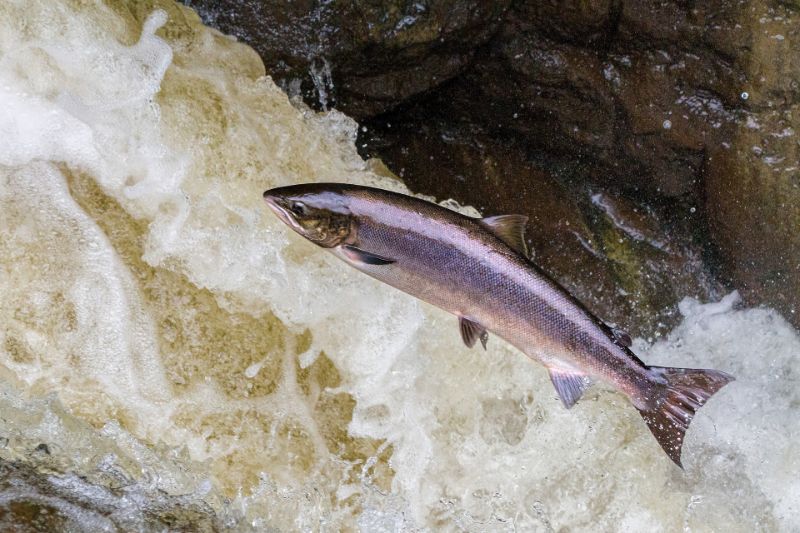
The popular belief is that wild fish is always more nutritious. Salmon, the most studied example, tells a more mixed story. Wild salmon is leaner and has fewer calories. Farmed salmon is fattier, which usually means more omega-3 fatty acids per serving, along with more omega-6 fats and more saturated fat, as nutrition resources like the Cleveland Clinic and ConsumerLab explain. A farmed salmon's omega-3 level also depends on how much fish oil is in its feed. Either way, both are excellent sources of protein and heart-healthy fats, so neither is a bad choice.
Contaminants Depend on the Species
Mercury is the contaminant most people worry about, and it has far more to do with the type of fish than with whether it is wild or farmed. The FDA's "Choices to Avoid" list, which includes swordfish, shark, king mackerel, marlin, and bigeye tuna, is made up of large wild predators. Both wild and farmed salmon are low in mercury. Farmed salmon tends to carry more PCBs, an industrial pollutant, though the amounts are generally low. Antibiotic use also varies by country and farm, so buying from a source you trust matters. Look for farms and fisheries with third-party certification.
Sustainability Depends on the Label, Not Just the Method
It is tempting to assume wild fish is the greener choice, but some wild fisheries are overfished, and some farms are very well run. The Monterey Bay Aquarium's Seafood Watch guide favors farmed clams, mussels, oysters, and scallops, and wild salmon from well-managed fisheries in the United States and Canada, such as Alaska. Most farmed salmon, on the other hand, earns a weaker rating. When you shop, look for certifications like the Marine Stewardship Council (MSC) on wild fish and the Aquaculture Stewardship Council (ASC) on farmed fish.
Price and Flavor: The Everyday Tradeoffs
Wild fish generally costs more, and its flavor is leaner and firmer. Farmed fish is usually cheaper, milder, and fattier, which many people find easier to cook and enjoy. Taste is personal, so try both. If you are watching your budget, you can eat well without paying fresh-fillet prices: canned wild salmon, sardines, and frozen fillets are all affordable and nutritious.
A Quick Buying Guide
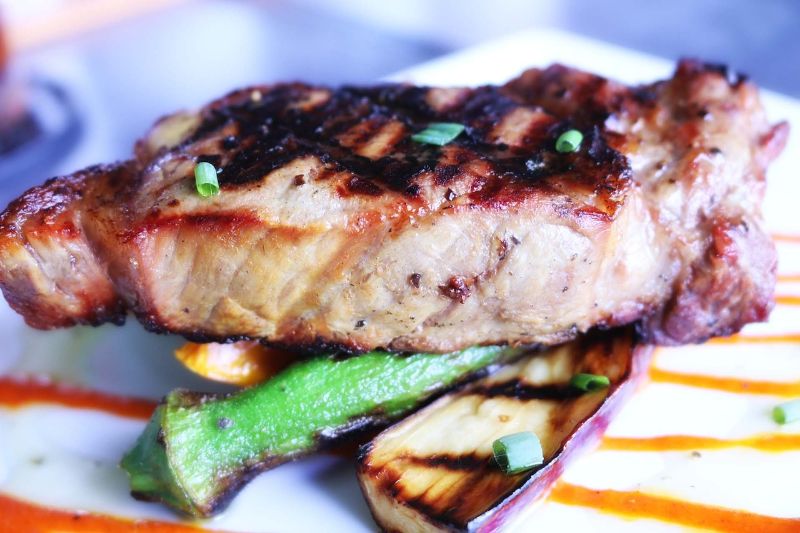
- Wild Alaska salmona top pick for sustainability, whether fresh, frozen, or canned
- Farmed mussels, oysters, and clamsamong the best-rated seafood for the environment
- Canned sardines and light tunalow in mercury and inexpensive
- Look for certification labelsMSC for wild, ASC for farmed, and ask your fishmonger about the fish's origin
- Swordfish, shark, and king mackerelHigh in mercury, so skip them, especially if you are pregnant or feeding children.
Eat More Fish, and Choose Well
There is no single winner in the wild versus farmed debate. What matters most is that you eat fish regularly, choose low-mercury species, and look for sustainable sources. Wild Alaska salmon, farmed shellfish, and canned sardines are all smart picks, and they fit a family budget better than you might expect.