Aldi Dropped Synthetic Food Dyes and MSG Before the Name Brands Did
Aldi pledged in 2015 to drop artificial colors and added MSG from its exclusive brands, and it is now removing dozens more ingredients. Here is what that means for everyday groceries and how to spot hidden MSG.
The cheapest box on the shelf is supposed to be the one with the most compromises. At Aldi, the ingredient list tells a different story. The chain announced in 2015 that it was removing artificial colors, partially hydrogenated oils, and added MSG from its exclusive-brand foods, and it has kept the list of restricted ingredients growing ever since. In April 2026 it announced that 44 more would follow, bringing the total to 57 ingredients it will not use in its exclusive-brand food, vitamins, and supplements, as listed on its ingredient standards page. The name brands that cost twice as much are only now making similar promises.
What Aldi Has Actually Promised
The restriction covers select artificial preservatives, colors, flavors, and sweeteners, and it applies whether an ingredient is added directly or arrives hidden inside a composite ingredient. Reformulated products roll out in phases through December 2027, and the packaging is updated as each change is finished. The promise covers Aldi's exclusive brands, which make up most of what is in the store, but it does not cover the name-brand items Aldi stocks on the side. Check the label on anything that does not carry an Aldi brand.
Aldi's pages do not say which of the 57 are the newest 44. The 2015 pledge covered certified colors, partially hydrogenated oils, and added MSG, so the new additions appear to be mostly preservatives, sweeteners, flavors, and flour and bread treatments. That is our reading of the lists, not an Aldi statement.
Three groups on that list matter most for a typical shopping cart: synthetic dyes, preservatives, and MSG.
Synthetic Food Dyes: The Most Visible Change
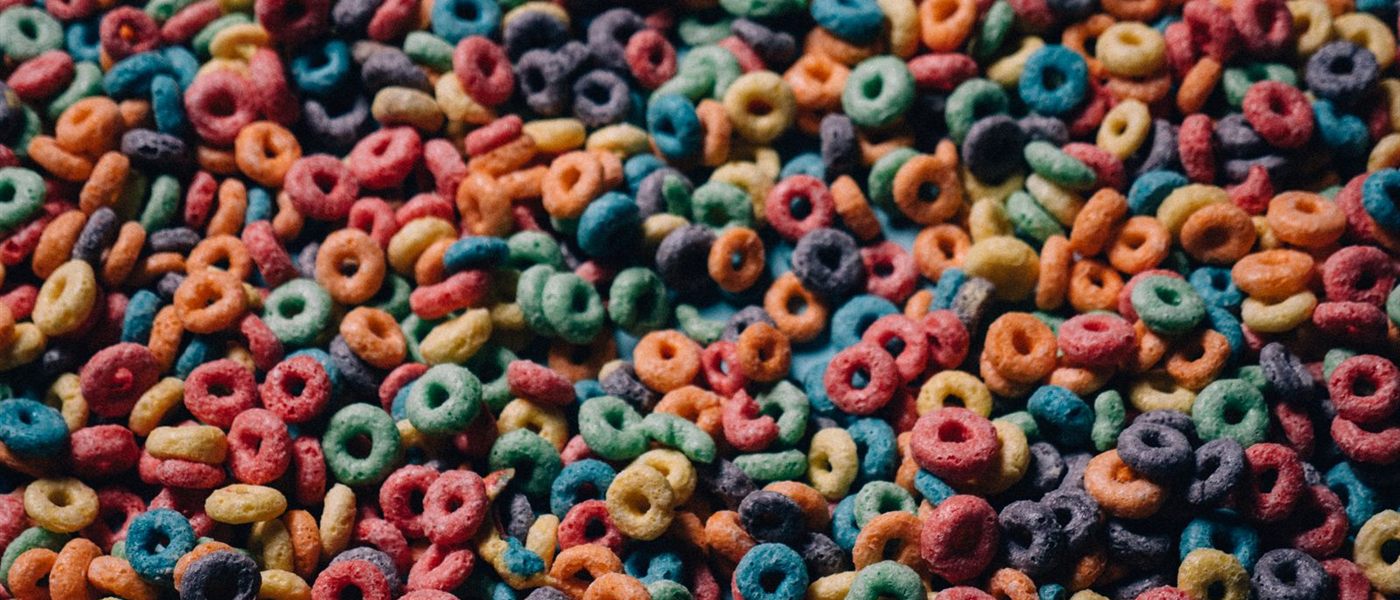
The list names every certified color in common use: FD&C Red No. 40, Red No. 3, Red No. 2, Yellow No. 5, Yellow No. 6, Blue No. 1, Blue No. 2, Green No. 3, and Orange B, along with canthaxanthin and titanium dioxide. Breakfast cereal is where dyes are easiest to see, and it is where a store brand has the most to gain by changing. Cereal aimed at children is built on bright color, so removing the dye means finding another way to make a loop look like a berry. Aldi's exclusive-brand cereals have been made without certified synthetic colors for years, while many national brands have set their own deadlines for the end of 2027.
Cereal is only the start. Dyes also turn up in:
- Fruit snacks, toaster pastries, and granola bars.
- Candy, frosting, sprinkles, and baking decorations. For a related look at what hides in sweets, see chocolate that isn't really chocolate.
- Sports drinks, powdered drink mixes, and flavored beverages.
- Pickles, relishes, salad dressings, and sauces.
- Gelatin, pudding, and ice cream.
Color is cosmetic, so nothing about the taste changes when it goes. We looked at a similar case in our post on caramel coloring.
Preservatives: The Quiet Ones
Preservatives rarely appear on the front of a package, which is why they are easy to miss. The Aldi list includes BHA and BHT (used to keep fats and oils from going rancid in cereals, crackers, and snack foods), calcium sorbate, the parabens (butylparaben, methylparaben, and propylparaben), potassium nitrate and potassium nitrite (used in cured and processed meats), and potassium metabisulphite. It also names bread additives such as potassium bromate, bromated flour, and azodicarbonamide.
The items where this swap matters most are crackers, chips, cereals, cooking oils, deli and cured meats, baked goods, and packaged bread. A related preservative worth knowing about is TBHQ, which we covered in our post on TBHQ.
MSG and Its Other Names
MSG is a big one, because it shows up in so many foods: seasoning packets, bouillon, soups, instant noodles, flavored chips, frozen entrees, dressings, and sauces. The FDA considers MSG generally recognized as safe, but some people report short-term reactions and prefer to avoid it. The catch is that it also hides under other names. Watch for yeast extract, autolyzed yeast extract, hydrolyzed vegetable protein, soy extract, and sodium caseinate on the label. A product made with those ingredients cannot be labeled "No MSG," so the ingredient list is the only reliable place to look.
Why a Discount Grocer Gets There First
It is easy to assume a premium brand will lead on quality, because it charges for it. In practice, a private-label retailer controls the recipe, the supplier, and the shelf at once. When customers ask for a change, Aldi can order it across every product that carries its name. A national brand has to reformulate, retest, and replace a product that millions of people already know by sight. We saw a version of this squeeze in our look at Campbell's and the struggling name brands, and it is a big part of why the old myths about store brands no longer hold up.
Aldi also says it tastes its products up to five times a year to confirm they match or beat the national brand. That is a company claim, so treat it as one. The easier test is the one you can run yourself: put the Aldi box and the name-brand box side by side and read both ingredient lists. We did exactly that in our store-brand ketchup test.
The Bottom Line
A shorter ingredient list is not a guarantee of a healthier diet, and sugar, salt, and refined flour do not disappear because a dye does. But if you want to avoid synthetic colors, certain preservatives, or added MSG, the lowest-priced option at the store is now also one of the easiest places to shop for that. Read the label, compare it with the name brand, and let the receipt settle the rest.