How to Attract Birds to Your Garden on a Budget
Birds eat garden pests, spread seeds, and pollinate flowers. Here is how to find which birds live near you, pick a cheap feeder, and keep it clean.

A bird feeder is one of the cheapest upgrades you can make to a yard, and the birds it brings do real work. They eat insects, spread seeds, and, in the case of hummingbirds, pollinate flowers. Even better, the setup costs less than a restaurant lunch. Here is how to turn your garden into a place birds want to visit.
Birds Are Free Pest Control
Many backyard birds that come to feeders spend the growing season hunting insects. Chickadees and titmice feed insects to their young, and caterpillars are the main nestling food for many songbirds. The National Wildlife Federation reports that a single nest can take thousands of caterpillars to raise one brood, with one observed chickadee nest needing about 4,800. The effect is measurable in crops, too. In a German orchard study, apple trees with nesting great tits had about 19 percent less caterpillar damage and a higher yield. Researchers who have studied nest boxes on farms report more modest and varied effects, so birds are a helper rather than a cure. Thrushes and robins also eat slugs and snails, swallows catch flying insects, and finches and sparrows eat weed seeds.
Hummingbirds Pollinate
According to the USDA Forest Service, hummingbirds are important pollinators in the continental United States. East of the Rockies, you will mostly see one species, the ruby-throated hummingbird, while the Southwest hosts around a dozen. On the West Coast, look for Anna's hummingbird. Tubular red and orange flowers are their favorites, and a feeder helps bring them close.
Find Out Which Birds Live Near You
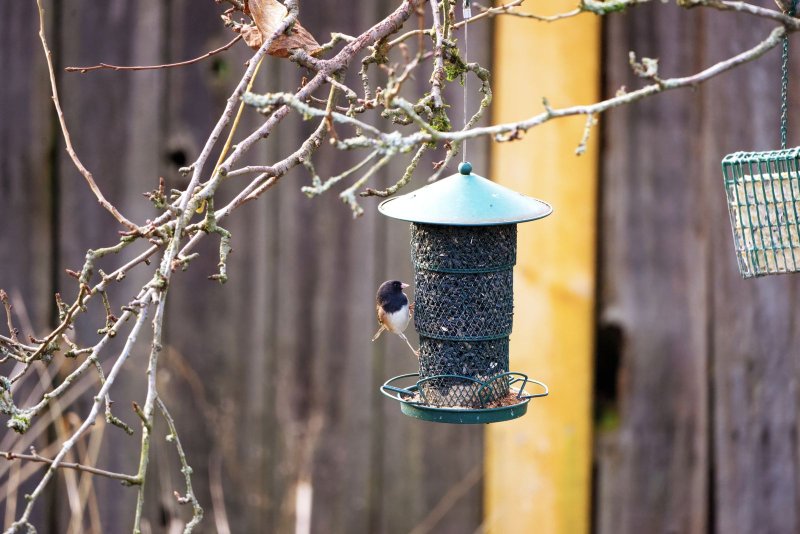
Before you buy a feeder, find out which birds you can expect. The American Bird Atlas lets you look up the birds in your area, and you can browse every state from its state index. Each species page covers its range and what it likes to eat. The northern cardinal page, for example, suggests black-oil sunflower seed in a tube or hopper feeder, and safflower seed in a hopper or platform feeder, which squirrels and starlings tend to leave alone. Popular feeder visitors with pages of their own include the house finch, dark-eyed junco, and American robin.
Pick a Cheap Feeder and the Right Food
You do not need a fancy feeder. Different designs suit different birds, so one or two inexpensive ones will cover a lot of ground:
- Hanging seed feederthe all-purpose choice for chickadees, finches, and titmice
- Tube feederkeeps seed dry and suits small birds that cling
- Suet cagea favorite of woodpeckers and nuthatches, especially in cold weather
- Hummingbird feederplain sugar water, one part white sugar to four parts water. Skip red dye and honey
Here are some great options on Amazon, or if you happen to go to Walmart, you can usually find some like this for under $10.
Native plants help just as much as feeders, and they cost little. Extension programs such as UF/IFAS point out that native plants are the best way to supply food and cover. A few shrubs and flowers that grow naturally in your region give birds insects, seeds, and berries all year.
Keep Feeders Clean and Safe
A dirty feeder can spread disease. The Cornell Lab of Ornithology advises cleaning feeders about every two weeks, and more often if you notice sick birds, using a solution of no more than one part bleach to nine parts water, then rinsing well and letting the feeder dry. Audubon offers more tips on keeping feeders disease-free. Two more habits help: avoid spraying pesticides in your garden, since they harm birds and the insects they eat, and place feeders either very close to a window or well away from it to reduce collisions.
A Little Seed Goes a Long Way
For about the price of a pizza, you can add birds to your garden, and they will return the favor with insect control, seed spreading, and a daily show. Start by looking up your local birds on the American Bird Atlas, then choose a feeder and food to match. If you are planning a garden, our guides to the easiest vegetables to grow at home and Dollar Tree gardening supplies are good places to start.
Photos from Pexels.