Sweet Potatoes vs. Yams: What's the Real Difference?
Most "yams" in American stores aren't yams at all. See how to tell sweet potatoes from true yams, why labels use both names, and how Bruce's Yams got big.
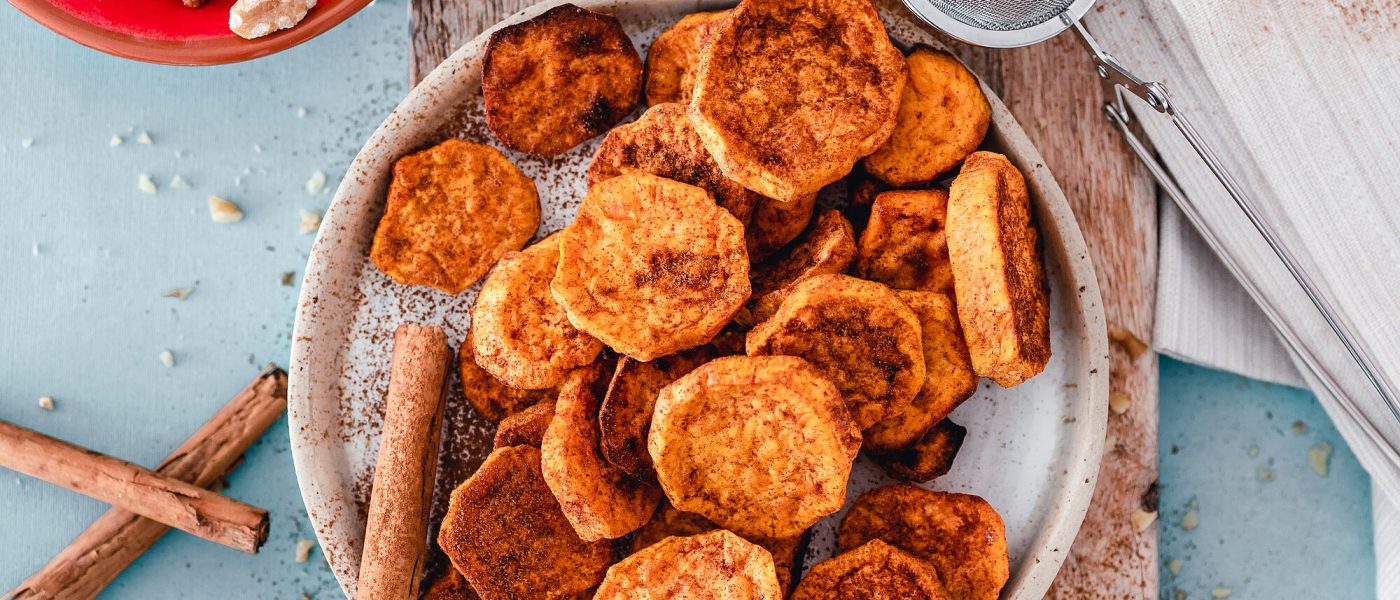
Every November, the same question comes up over the Thanksgiving menu: are we making sweet potatoes or yams? The answer surprises most people. The orange "yams" sold in almost every American supermarket are sweet potatoes, and true yams are a completely different plant from Africa and Asia. Here is how to tell sweet potatoes and yams apart, how the mix-up started, and how a little company in Louisiana built Bruce's Yams into the best-known name in the canned yam aisle.
What Is the Difference Between Sweet Potatoes and Yams?
Sweet potatoes and yams are not even close relatives. Sweet potatoes belong to the morning glory family and are native to Central and South America, while true yams belong to their own family, Dioscoreaceae, and are native to Africa and Asia. Sweet potatoes are not related to ordinary potatoes either, which belong to the nightshade family along with tomatoes and peppers.
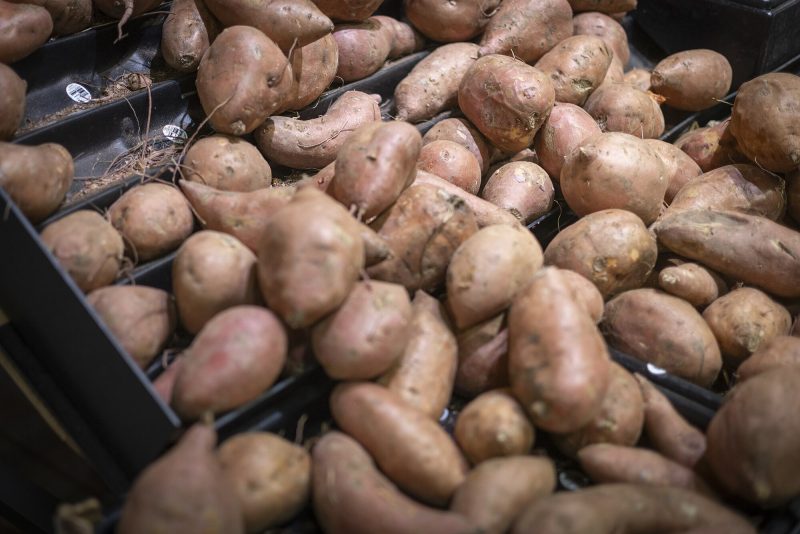
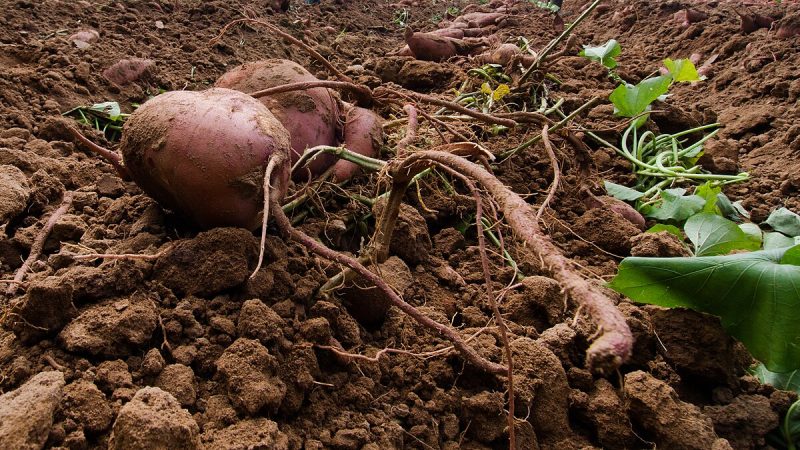
The two crops even store their food in different parts of the plant. A sweet potato is an enlarged root, while a yam is a tuber, an enlarged underground stem. A single sweet potato plant typically produces four to ten sweet potatoes in three to five months, while a yam plant yields one to five yams and can take a full year to mature.
This side-by-side comparison shows how differently sweet potatoes and true yams look, taste, and grow.
What Does a Real Yam Look Like?
A true yam looks more like a log than a sweet potato. True yams have a tough, scaly skin that is hard to peel, and the long, cylindrical tubers range from potato-sized to giants of more than 100 pounds. About 95% of the world's yams are grown in Africa, with Nigeria the largest producer, and the yams sold in the United States usually come from the Caribbean.
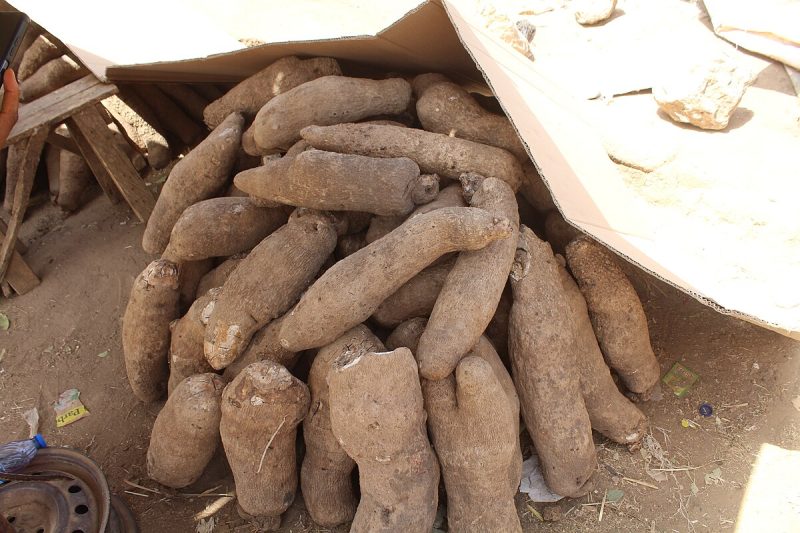
True yams are a staple food across West Africa, where they are boiled, mashed, fried, and roasted. Shoppers in the United States can usually find them at African, Caribbean, and Latin markets. In Spanish, a true yam is called ñame, while a sweet potato goes by batata, boniato, or camote depending on the country.
Why Do Americans Call Sweet Potatoes Yams?
The habit of calling sweet potatoes yams reaches back centuries. In several West African languages, variants of the word yam or nyam mean "to eat", and true yams did not grow in the continental United States. The West African name carried over to the sweet, starchy root that took the yam's place in American kitchens, and "yam" became a common Southern word for sweet potato.
Sweet potato varieties come in two broad styles, and the yam name settled on one of them. "Firm" sweet potatoes stay dry and crumbly when cooked, while "soft" types turn moist and sweet and usually have orange skin and flesh. Firm varieties were grown commercially in the United States first, so when soft varieties arrived, growers called them yams to tell the two apart.
Louisiana turned the nickname into a brand. A researcher at the state's agricultural experiment station, Julian C. Miller, developed a creamier, less stringy sweet potato with tender skin and more vitamin A, and Louisiana growers marketed it as the Louisiana yam. By 1937, "yam" had become the unofficial trademark of Louisiana sweet potatoes, and in 2003 the Louisiana yam was named the official state vegetable.
Why Do Yam Labels Also Say Sweet Potato?
Canned and fresh yam labels in the United States carry both names for a reason. The USDA requires that whenever "yam" is used to describe sweet potatoes, the product must also be labeled as a sweet potato. That is why a can on the holiday aisle reads something like "Yams, Cut Sweet Potatoes in Syrup." The yam name stays for tradition, and the sweet potato name tells shoppers what is really inside.
These two lists show which foods on an American table are sweet potatoes and which are true yams.
- Garnet "yams"
- Canned yams
- Candied yams
- Sweet potato casserole
- Sweet potato pie
- White yam
- Water yam
- Ñame
- Pounded yam
How Bruce's Yams Became the Big Name in Canned Yams
Bruce's Yams grew out of a small food business in New Iberia, Louisiana, in the heart of yam country. Bruce Foods started in 1928 as a maker of a single product, hot pepper sauce. That same year, J.S. Brown, Sr., opened a food brokerage in New Iberia, buying from farmers and producers and selling to distributors across Louisiana, eastern Texas, Mississippi, and Arkansas. Despite the name, the company has been run by the Brown family, not anyone named Bruce, and the origin of the Bruce name has been lost to time.
The Brown family turned Bruce Foods into a canned yam company in a few smart steps. The Browns bought Bruce Foods in 1954, when large grocery chains were squeezing out old-style food brokers, and in 1957 they bought a cannery at Lozes, Louisiana, that packed sweet potatoes and okra. In 1972 they added a sweet potato cannery in Wilson, North Carolina, another major sweet potato state. Bruce Foods eventually became the largest processor of canned yams in the country.
Bruce's Yams had several things working in its favor:
- A famous nameLouisiana had already made "yam" a selling point
- Home turfcanneries right in sweet potato country
- Two growing regionsplants in Louisiana and North Carolina
- Broker rootsa family that knew how to get food onto shelves
- Holiday shortcuta can of ready-cooked yams skips the peeling and boiling for candied yams
Bruce's Yams changed hands as Bruce Foods narrowed its focus. Around 2013, Bruce Foods sold its canned vegetable business, including Bruce's Yams, to McCall Farms of South Carolina, and in 2015 it sold its hot sauce line as well. McCall Farms closed the former Bruce's yam plants in New Iberia and Wilson and moved canned yam production to a plant near its South Carolina headquarters. The Bruce's Yams name lives on, and the can is still a fixture on store shelves every November.
Picking Sweet Potatoes for the Holidays
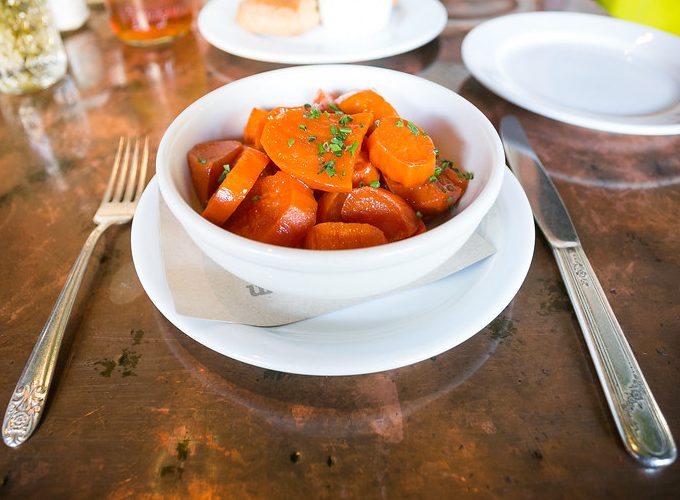
Sweet potatoes labeled "yams" at the grocery store are simply the soft, orange-fleshed kind, and they are the classic choice for candied yams, casseroles, and pies. Look for firm roots with smooth skin and no soft spots. For a drier, fluffier side dish, try a firm white- or yellow-fleshed sweet potato instead.
Sweet potatoes keep best in a cool, dry spot. North Carolina growers cure their sweet potatoes in warm, humid rooms for four to seven days, which turns some of the starch into sugar, then store them at 55 to 60 degrees. At home, keep them out of the refrigerator, which gives them a hard center and a poor taste.
Canned yams are a smart shortcut for a big holiday meal. Because they are already cooked and peeled, they only need a sprinkle of brown sugar, butter, and spice before baking, which leaves more oven time for everything else. For more ways to stretch a holiday budget, see how to put together an Aldi Thanksgiving dinner for 10, and learn why canned pumpkin is mostly squash, another holiday can with a surprising label.
A Sweet Potato by Any Other Name
Sweet potatoes and yams are different plants from different continents, but the American "yam" is here to stay thanks to centuries of Southern tradition, a clever Louisiana marketing campaign, and brands like Bruce's Yams. Whatever the family calls them, the orange roots on the Thanksgiving table are sweet potatoes, and they are just as delicious by either name.
Header photo of baked cinnamon sweet potatoes by Ella Olsson (CC BY 2.0), grocery display by Tessa Bury (CC BY 4.0), sweet potato harvest by the U.S. Department of Agriculture (public domain), and yam tubers by Zmu'az4Z (CC BY-SA 4.0), via Wikimedia Commons. Candied yams by City Foodsters (CC BY 2.0).