Back in 2019, as every media giant rushed to launch its own streaming service, we predicted they would eventually come crawling back to Netflix. Seven years later, Disney is putting Pixar movies back on Netflix. Here's how the streaming wars played out, and what it means for your wallet.
In July 2019, we published Why Netflix will Survive the Streaming Wars. At the time, the conventional wisdom was that Netflix was in trouble. Disney, NBCUniversal, WarnerMedia, and Apple were all launching their own streaming services and pulling their shows off Netflix to stock their new platforms. Many writers predicted that these media giants would take big bites out of Netflix's market share.
We took the opposite view. We argued that consumers were already suffering from "streaming fatigue," that most households would only pay for one or two services, and that the media companies would discover that running a streaming service is a lot harder and more expensive than cashing Netflix's licensing checks. Our conclusion: "After an experimental period, I believe the media companies will return to their partnership with Netflix."
The experimental period is over. And the media companies are coming back.
Disney Is Back on Netflix, and Not Just With Leftovers
In October 2026, Disney and Netflix struck a major new licensing agreement, first reported by Variety. According to What's on Netflix, the deal brings a wide slate of Disney-owned titles to Netflix around the world, including:
- Pixar and Walt Disney Animation films like Soul, Elio, and Raya and the Last Dragon, starting in early 2027
- Disney+ original series Percy Jackson and the Olympians (Seasons 1-2), for a three-month window ahead of the Season 3 premiere on Disney+
- The entire Ice Age franchise, ahead of the next movie's theatrical release in 2027
- Current ABC hits like Will Trent and Shifting Gears
- Library favorites like Felicity, Revenge, Army Wives, and Fresh Off the Boat
This is a remarkable turnaround. Disney is the company that bought back its film rights from Netflix, pulled Marvel's Daredevil and The Punisher off the service, and built Disney+ specifically to compete with it. Disney CEO Bob Iger once famously compared licensing content to Netflix to "selling nuclear weapons technology" to a rival.
And notice what's on this list. Disney's last licensing deal with Netflix, in 2023, mostly involved older shows Disney picked up when it bought 21st Century Fox, like How I Met Your Mother and Prison Break. This time, Disney is sending recent Pixar films and its own Disney+ originals. Elio hit theaters in 2025. A few years ago, a new Pixar movie streaming on Netflix would have been unthinkable.
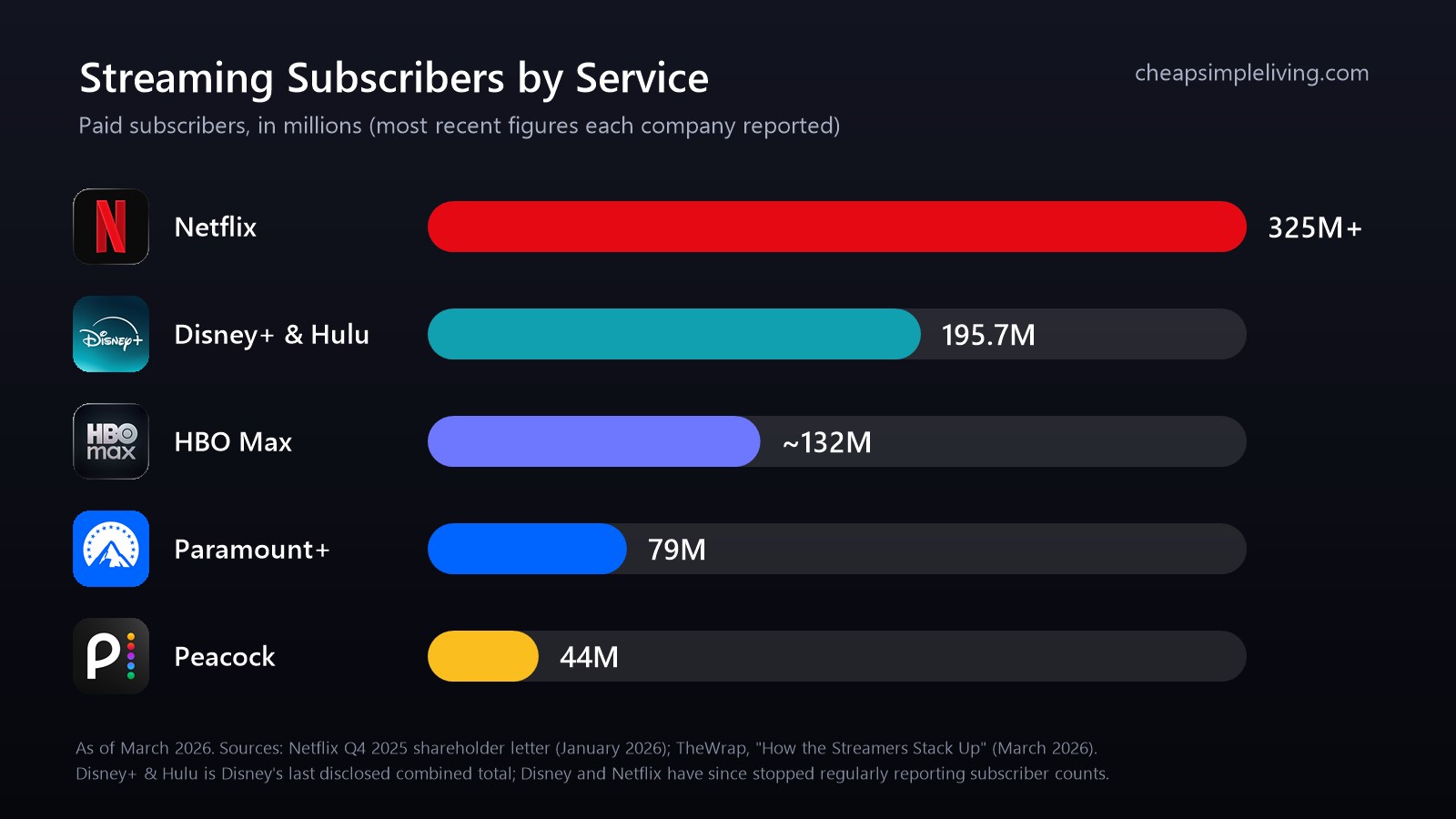
Disney is also using Netflix as a marketing platform. The short promotional windows for Percy Jackson and Ice Age are designed to get Netflix's audience hooked so they'll follow the franchise back to Disney+ or to the movie theater. In other words, Disney has figured out that Netflix's audience is too big to ignore. Netflix now reports more than 325 million paid memberships, more than double the roughly 150 million it had when we wrote our original post.
It's Not Just Disney
Disney's deal is the most dramatic example, but nearly every major studio has quietly returned to licensing its content to Netflix.
HBO: In 2023, Warner Bros. Discovery began licensing HBO originals like Insecure, Band of Brothers, and Six Feet Under to Netflix. According to TheWrap, it was the first time HBO had licensed its content to a U.S. rival in a decade.
NBCUniversal: The USA Network legal drama Suits landed on Netflix in 2023 and became a phenomenon. It was the most-streamed show of the year, racking up 57.7 billion minutes of viewing and breaking the record previously held by The Office, according to The Hollywood Reporter. Here's the telling part: Suits was also available on NBCUniversal's own Peacock the entire time. It took Netflix's audience to make it a hit. More recently, Netflix's January 2026 shareholder letter announced a new U.S. licensing partnership for Universal's live-action films, on top of its existing deal for animated films from DreamWorks and Illumination.

Sony and Paramount: That same shareholder letter noted that Netflix expanded its first-window movie deal with Sony Pictures from a U.S. deal to a global one, and licensed about 20 shows from Paramount, including Matlock, SEAL Team, and Mayor of Kingstown.
Remember the lesson from our original post: it's often wiser to lease your assets to an established buyer than to try to sell them yourself. The studios have learned it the hard way.
The Problem With Single-Studio Streaming
Why does this keep happening? Because most of the studio-owned streaming services have the same fundamental weakness: each one is really just a handful of franchises.
Think about it. HBO Max is heavy on DC superheroes, Game of Thrones, and Dune. Peacock leans on DreamWorks movies, NBC sitcoms, and Bravo reality shows. Paramount+ is largely Star Trek, Taylor Sheridan dramas, and CBS procedurals. Each service has some great content, but once you've worked through the universes that interest you, there's little reason to keep paying.
Netflix is different because it isn't tied to any one studio. On any given night, it can offer a Sony movie, a Universal comedy, an HBO miniseries, an ABC drama, and a Pixar film, alongside its own originals. That cross-studio variety is exactly what made Netflix the default streaming service in the first place, and it's why the studios keep needing Netflix's audience.
The one notable exception is Disney+. By folding Hulu into its app, Disney+ offers more than just Disney's own franchises. Hulu has long filled out its library with shows from outside companies, like next-day episodes of Fox's Hell's Kitchen and The Masked Singer under a deal that runs through 2027, according to The Desk, and British hits like Love Island UK licensed from ITV. It's no coincidence that Disney+ and Hulu together have the largest audience of any studio-owned streamer. According to TheWrap, Disney last reported 195.7 million combined subscribers, compared to about 132 million for HBO Max, 79 million for Paramount+, and just 44 million for Peacock. In other words, Disney+ succeeds by behaving a little more like Netflix. And even Disney has decided its content earns more when it reaches Netflix's audience too.
Higher Prices, Same Universes
Meanwhile, the siloed services keep raising their prices without meaningfully expanding their libraries. In August 2026, Peacock raised the price of every plan, with its ad-free Premium Plus tier jumping from $16.99 to $19.99 a month, its fourth price hike in four years, according to ConsumerAffairs. Paramount+ raised its prices again in January 2026, according to Newsweek. Disney+ and HBO Max both raised prices in the fall of 2025.
To be fair, Netflix hasn't been cheap either, and it has raised its own prices several times. But there's a difference between paying more for a library that keeps adding content from every major studio and paying more for the same few franchises you've already watched.
Consumers have noticed. According to Deloitte's 2025 Digital Media Trends report, as summarized by TV Technology, 47% of streaming subscribers say they pay too much for the services they use, and 41% say the content isn't worth the price. The average subscriber now pays for four services at about $69 a month, and 60% said a $5 price increase would likely make them cancel their favorite service. That's streaming fatigue, exactly as we described it in 2019.
The Studios Are Admitting It, One Way or Another
If the siloed services aren't licensing their content to Netflix, they're bundling to make themselves look more like Netflix. Disney+, Hulu, and HBO Max launched a combined bundle in 2024. Apple TV and Peacock launched a bundle in 2025, according to Tom's Guide.
Even the year's biggest media merger points in the same direction. When Paramount Skydance's acquisition of Warner Bros. Discovery closed in October 2026, the combined company announced plans to eventually fold HBO Max and Paramount+ into a single service, according to Deadline. Running two separate streaming services, each with its own overhead, simply doesn't make sense, which is the same "costs of doing business" problem we pointed out in 2019.
Bundles and mergers are just another way of saying the same thing: a streaming service built around one studio's universes isn't enough on its own. Viewers want variety, and the market is moving back toward big, diversified libraries.
What This Means for You
The good news for frugal viewers is that you don't need to pay for every service to see the best content anymore. A few tips:
Pick one broad "base" service. For most households, that means Netflix or the Disney+ and Hulu bundle. These services offer the widest variety from the most studios, and thanks to deals like Disney's, Netflix's library keeps getting broader.
Rotate the rest. Treat single-studio services like a magazine you pick up for one article. Subscribe for a month to binge the new season of the franchise you love, then cancel. There's no reason to pay year-round for a service you only use a few weeks a year.
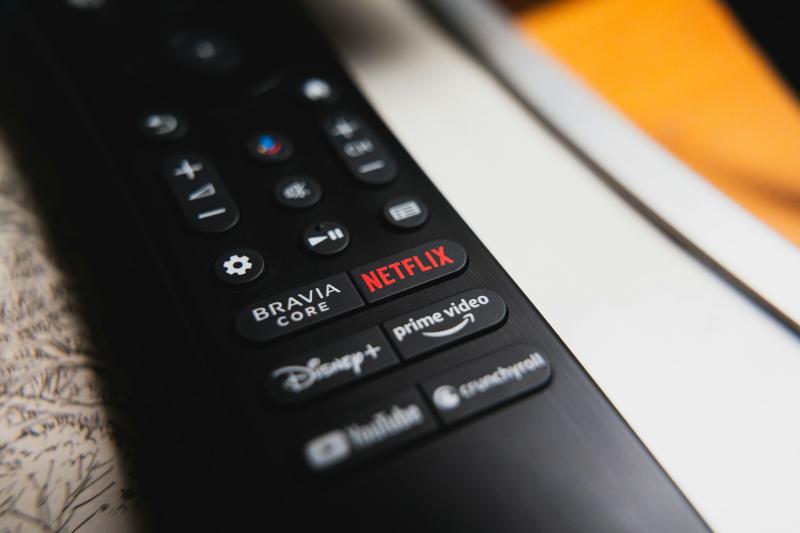
Wait for it to come to you. If a show is a hit on a smaller service, there's a good chance it will eventually turn up on Netflix, just like Suits, Insecure, and now Percy Jackson.
Don't forget the free options. Free, ad-supported services can fill a lot of evenings without adding to your monthly bill. Fox-owned Tubi is a great example of the cross-studio model working: according to Fox's 2026 annual report, Tubi offers more than 350,000 movies and TV episodes from over 600 content partners, including every major Hollywood studio. And Paramount-owned Pluto TV offers hundreds of free, cable-style channels, many of them featuring shows from Paramount networks like Nickelodeon, MTV, and Comedy Central. Add your local library's DVD collection, and you may find you need fewer paid subscriptions than you think.
In 2019, we ended our post with a simple prediction about the media giants: "they will come back. Just give it time." It took about seven years, but Disney, NBCUniversal, Warner Bros., Sony, and Paramount have all found their way back to Netflix. The streaming wars didn't end with a winner-take-all victory for the studios. They ended with the studios rediscovering what Netflix understood all along: viewers want one place with a little bit of everything.